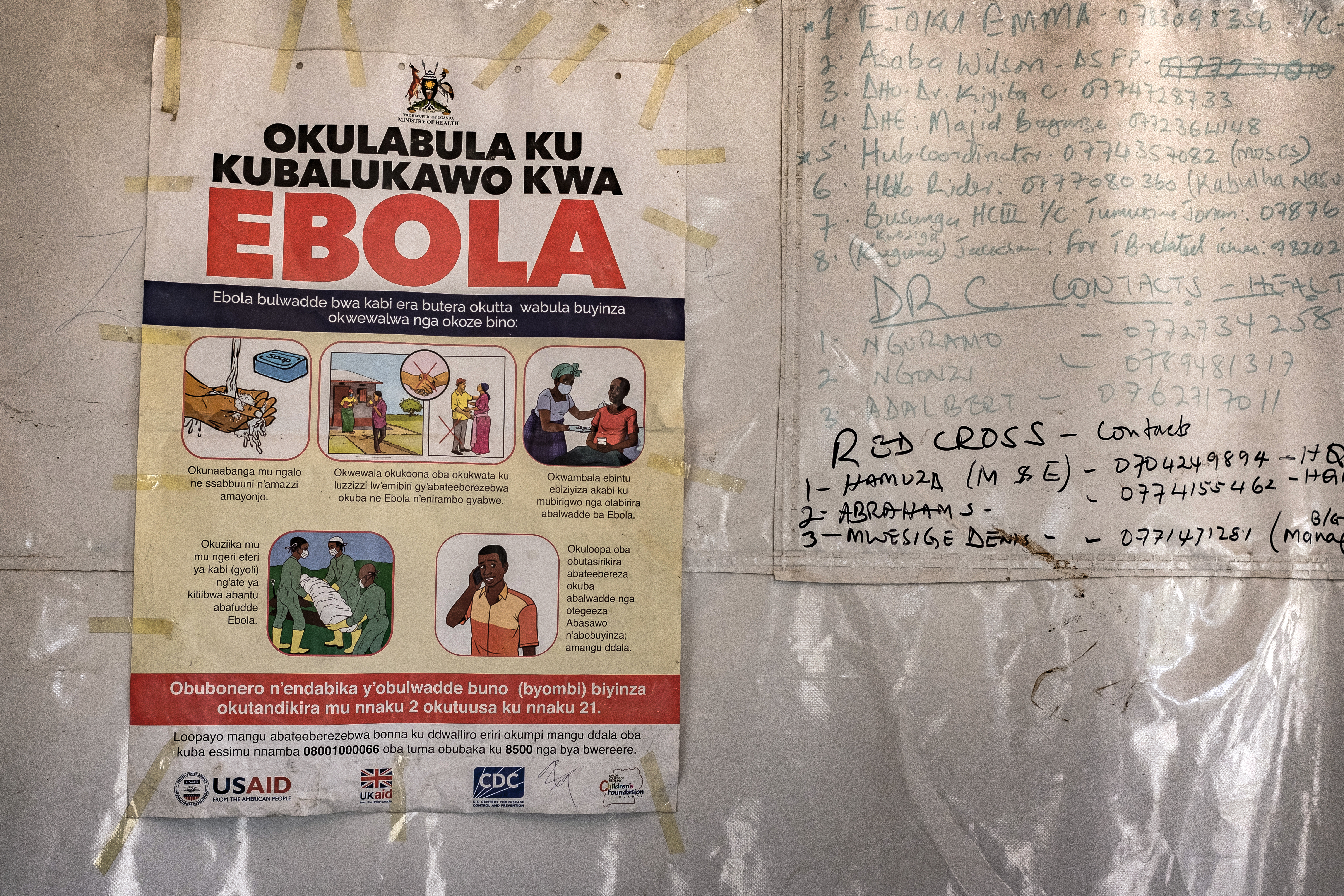
The World Health Organization declared a public health emergency over an Ebola outbreak spreading in Central Africa. The CDC is coordinating evacuation of an infected American and six others to Germany for treatment at specialized medical facilities.
The US State Department implemented travel restrictions in response to the outbreak, limiting non-essential travel to affected regions. This marks a shift in containment strategy, moving beyond surveillance to active movement controls.
Ebola outbreaks remain among the deadliest infectious disease events, with fatality rates reaching 50% or higher depending on the strain. The virus spreads through direct contact with blood or body fluids of infected individuals or animals. Healthcare workers face elevated risk during treatment and containment efforts.
Germany operates several Biosafety Level 4 laboratories equipped to handle the most dangerous pathogens. The decision to move patients there reflects the specialized care requirements for severe viral hemorrhagic fevers. These facilities provide isolation, advanced life support, and experimental treatment access unavailable in outbreak zones.
The evacuation signals how seriously health authorities treat this case. Moving patients across continents carries logistical and epidemiological risks, but German facilities offer treatment advantages that outweigh those concerns.
The CDC activation reflects standard protocol for Americans infected abroad with life-threatening diseases. The agency coordinates with international partners and local health systems to manage both patient care and outbreak containment.
Ebola response depends on rapid case identification, isolation, and contact tracing. The combination of WHO emergency declaration and US travel restrictions indicates health officials view this outbreak as requiring coordinated international action. The American case represents one confirmed infection, but the declaration suggests broader community spread or transmission risk in the region.
Travel restrictions typically target airports and border crossings in affected areas. They aim to slow international spread while allowing medical personnel and emergency supplies through designated channels.
Outcome depends on whether containment measures slow transmission faster than the virus spreads. Previous