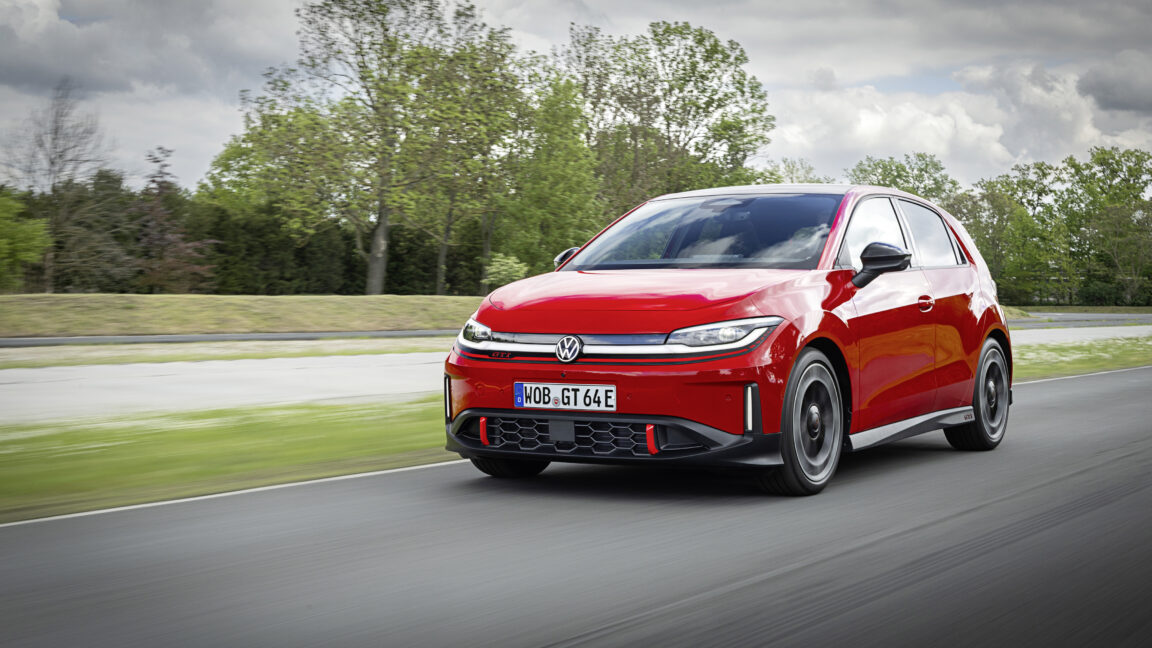
Volkswagen unveiled the ID. Polo GTI, an electric interpretation of the company's legendary GTI performance brand. The car draws heavily from the original Golf GTI launched in 1976, maintaining the visual DNA that made the nameplate iconic while transitioning to battery power.
The ID. Polo GTI represents Volkswagen's strategy to electrify its most recognizable performance line. Rather than kill the GTI badge entirely, the automaker is applying it to its smaller electric platform. The design language echoes the classic GTI aesthetic with aggressive styling cues, though built on the ID. family architecture.
Volkswagen has explicitly ruled out bringing the ID. Polo GTI to the United States market. The company views the vehicle as tailored for European customers and regulatory requirements. The US market lacks demand for vehicles in this size class and price range compared to Europe, where compact electric hatchbacks command stronger sales. Additionally, Volkswagen's American lineup focuses on larger vehicles and SUVs that better match consumer preferences.
The GTI nameplate carries substantial emotional weight for enthusiasts. The original Golf GTI pioneered the hot hatch segment and became a cultural icon. Applying that badge to an electric Polo signals Volkswagen's commitment to preserving the GTI spirit while acknowledging the automotive industry's pivot toward electrification. Performance credentials matter here. Electric motors deliver instant torque, which can deliver thrilling acceleration in a compact package.
This move reflects a broader trend among legacy automakers. Porsche applied its name to the Taycan EV. BMW created the M division for electric vehicles. Volkswagen's approach suggests the GTI future exists on battery platforms, not combustion engines.
The ID. Polo GTI launch demonstrates how traditional automakers are reconciling heritage brands with electric futures. For European buyers seeking an affordable performance electric hatchback with GTI credentials,