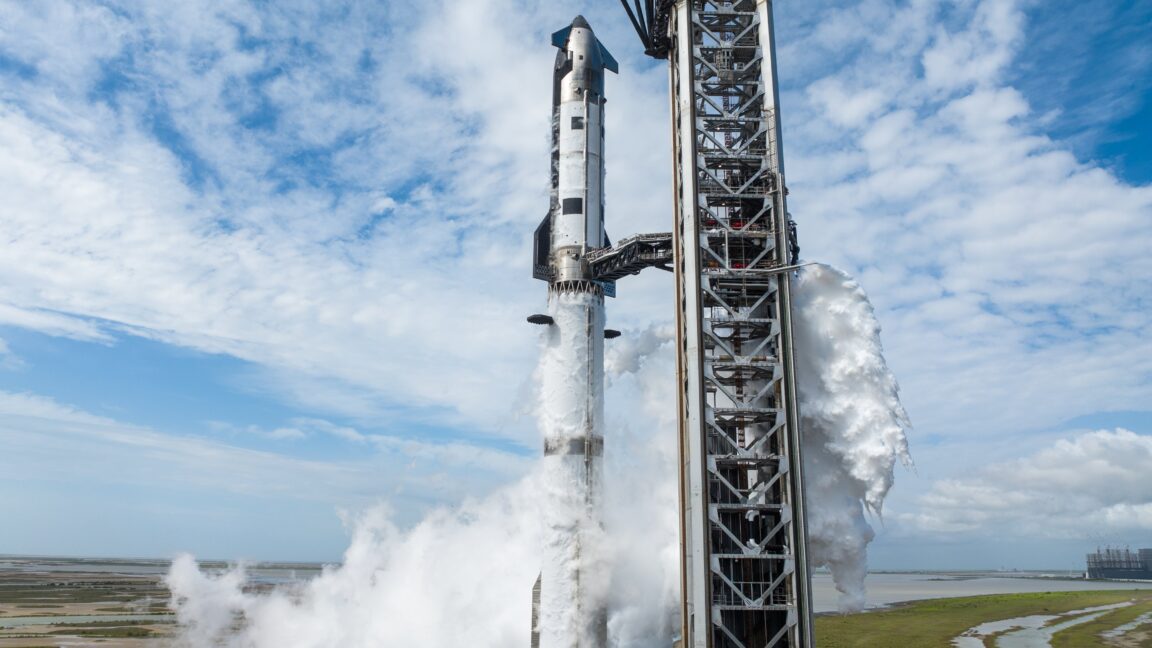
SpaceX's Starship represents the make-or-break moment for American space ambitions. The fully reusable heavy-lift rocket system carries outsized importance for NASA, the Department of Defense, and commercial space operators who depend on reliable access to orbit and beyond.
The urgency reflects a genuine capability gap. Current launch infrastructure relies on a mix of aging systems and limited heavy-lift capacity. Starship promises to change that equation entirely. A fully reusable vehicle dramatically cuts per-launch costs while enabling rapid turnaround between flights. That efficiency translates directly into more frequent missions and lower barriers to entry for space-based projects.
NASA's Artemis program needs Starship for lunar descent capability. The company's Human Landing System variant will carry astronauts from orbit to the Moon's surface. Without it, the agency cannot execute its timeline for returning humans to the lunar surface. That dependency creates risk. Every test flight failure or schedule slip ripples across the entire program.
The military dimension adds another layer. The Department of Defense views responsive launch and heavy-lift capacity as strategic assets. Starship's rapid reusability appeals to planners thinking about reconstitution and surge capacity in contested scenarios.
SpaceX's own testimony captures the reality. The company describes the development as a wild ride with extreme highs and lows. Test flights continue revealing unexpected failure modes and engineering challenges. Each iteration brings progress but also demonstrates how much complexity remains.
The broader ecosystem watches carefully. Commercial operators, international partners, and emerging space companies have built plans around Starship's eventual success. Delays cascade across the industry.
Success remains achievable but not guaranteed. SpaceX has demonstrated an ability to iterate rapidly and recover from setbacks. The company operates with different constraints and tolerances than traditional aerospace contractors. Still, reaching operational reliability for human spaceflight and heavy-lift missions requires solving problems that exist