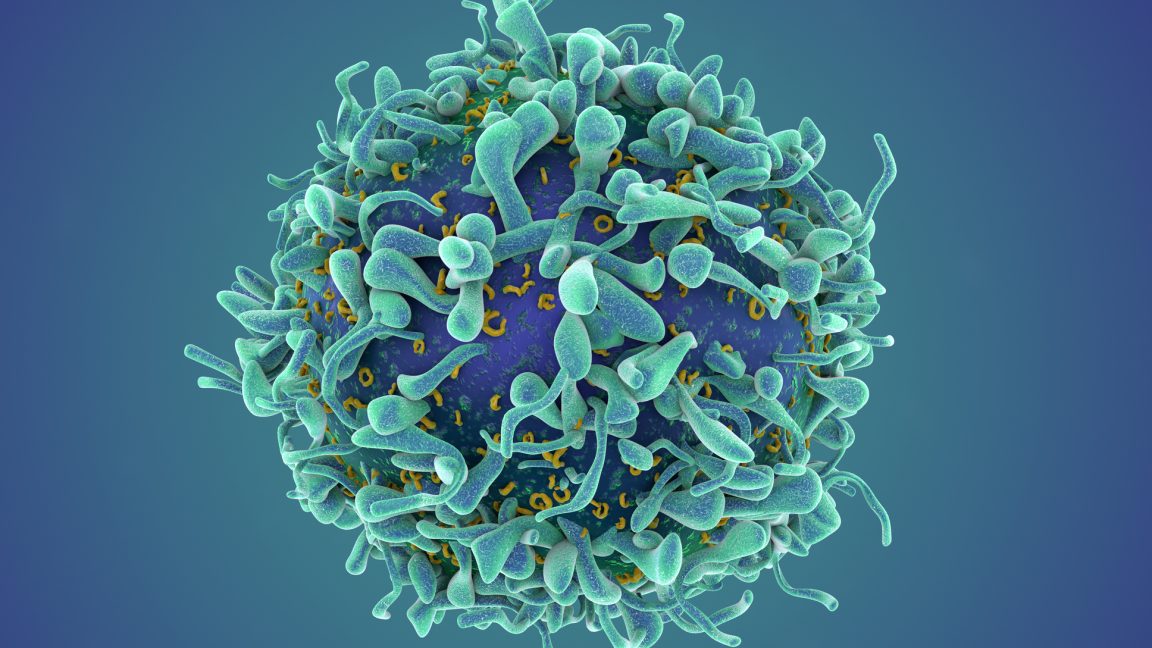
CAR T cell therapy, originally developed to fight blood cancers, now faces a new frontier: treating autoimmune diseases by essentially rebooting a broken immune system.
The approach works by engineering a patient's own T cells to target and destroy the specific immune cells driving autoimmune attack. Researchers extract T cells, reprogram them in the lab to recognize disease-causing cells, then infuse them back into the patient. Unlike cancer applications where CAR T cells hunt tumor cells, here they target self-reactive B cells and T cells that mistakenly attack healthy tissue.
Early trials show promise for conditions like lupus, rheumatoid arthritis, and vasculitis. The therapy achieves what traditional immunosuppressants cannot: selective elimination of disease-driving cells while preserving overall immune function. Patients in preliminary studies experienced sustained disease remission without generalized immunosuppression.
The mechanism differs fundamentally from standard autoimmune treatments. Rather than dampening the entire immune system with drugs, CAR T therapy resets the immune repertoire by removing the bad actors. This offers potential durability. Some patients show remission lasting years after a single treatment.
Challenges remain substantial. Manufacturing personalized CAR T cells costs tens of thousands of dollars per patient. Side effects like cytokine release syndrome can be severe. Not all autoimmune conditions respond equally. Scaling this to thousands of patients annually requires infrastructure and expertise currently limited to specialized cancer centers.
The FDA has already approved CAR T therapies for specific blood cancers. Expanding into autoimmune disease represents a logical next step but requires rigorous clinical validation. Multiple companies and academic centers are running trials across different indications.
Success here could reshape autoimmune treatment entirely. Rather than lifelong immunosuppression carrying infection risks and toxicity, patients might achieve cure-like outcomes from a single therapeutic intervention. The convergence of