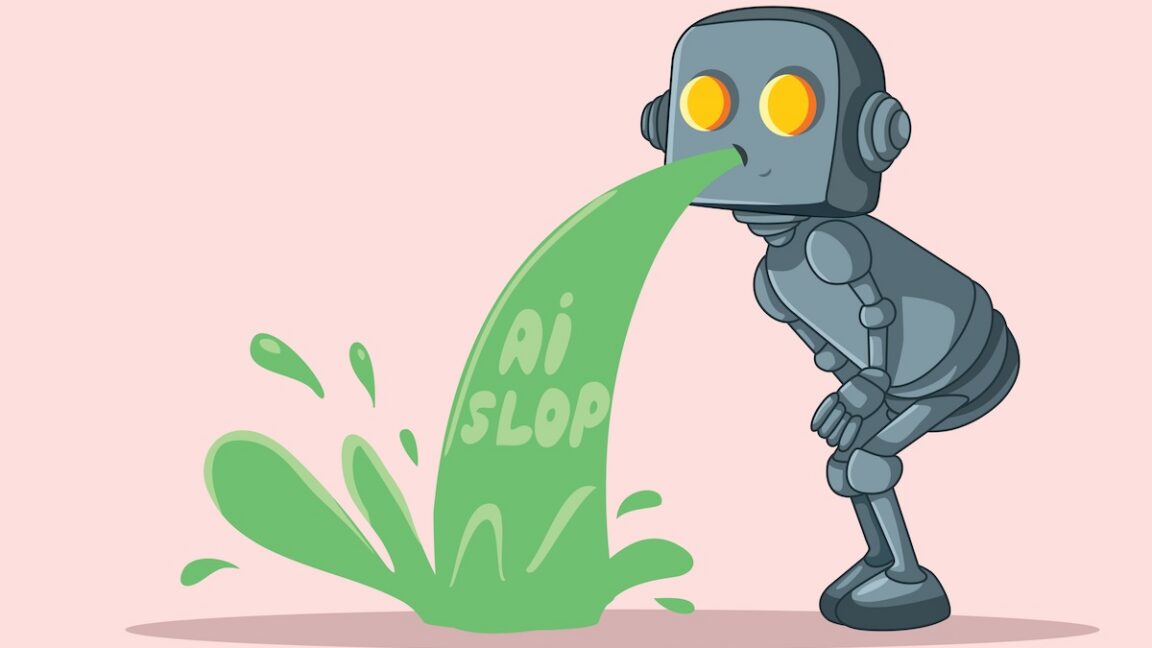
arXiv, the preprint server that hosts over 2 million research papers across physics, mathematics, computer science, and other fields, has implemented a strict ban on AI-generated content in submissions. The platform's moderation team announced the policy after detecting a surge of low-quality papers apparently produced by large language models.
The new rule prohibits submitting papers that appear to be substantially generated by AI without human oversight or meaningful contribution. Researchers who violate the policy face a one-year suspension from submitting to the platform. A moderator outlined the decision on social media, framing it as necessary to maintain arXiv's role as a repository for legitimate scientific work.
The ban targets papers with hallucinated citations, incoherent technical sections, and superficially plausible but fundamentally flawed arguments. These are hallmarks of LLM-generated text when models operate without domain expertise or real research backing. The policy doesn't forbid using AI as a research tool or for writing assistance. It addresses submission of papers where AI generated the bulk of the content without adequate human verification.
arXiv moderators have increasingly flagged papers with obvious computational artifacts. Some submissions contained fabricated author credentials, fictional experimental results, or mathematical proofs that collapsed under scrutiny. The volume of such papers prompted the formal policy.
The decision reflects broader tension in academia between AI capabilities and research integrity. Researchers depend on preprint servers to establish priority and share findings rapidly. Flooding these channels with synthetic content degrades their value for the scientific community. arXiv's enforcement protects the integrity of the platform while allowing researchers legitimate access to AI-assisted writing and analysis.
The one-year penalty carries weight given arXiv's central role in research dissemination, particularly in physics and computer science. Removal from the platform for a year effectively sidelines researchers from rapid publication cycles in fields where preprints establish