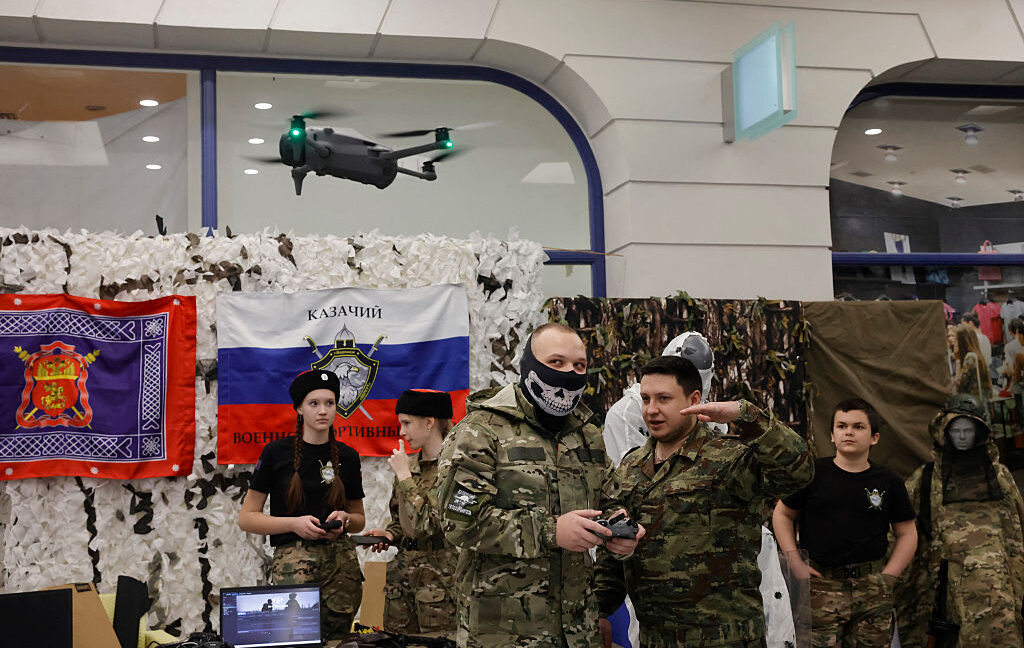
Russian universities are recruiting students into military drone operations by offering enlistment incentives and frontline exemptions, according to reports from the region. The recruitment drive targets undergraduate and graduate students across multiple institutions, framing drone piloting as a technical career path rather than direct combat roles.
Universities promise recruits they will avoid frontline assignments, receive housing stipends, and gain military experience that could translate to civilian employment after service. The pitch emphasizes technical skill development over traditional infantry duties, leveraging Russia's ongoing need for drone operators in its conflict with Ukraine.
The campaign reveals how drone warfare has fundamentally altered military recruitment strategies. Rather than seeking traditional soldiers, Russia targets students with technical backgrounds to pilot unmanned systems remotely. This approach allows universities to frame military service as career training while addressing an acute shortage of qualified drone operators.
However, the exemption promises carry uncertainty. Military commitments in active conflicts frequently shift operational needs, and assignments change based on battlefield demands. Students enlisting under such terms face real risk of reassignment to frontline positions despite initial guarantees.
This recruitment strategy reflects broader trends in modern warfare. Drone operations require technical sophistication that differs markedly from conventional combat training. Universities become extension points for military recruitment, blurring lines between civilian education and wartime mobilization.
The Russian approach contrasts with Western military recruitment methods, which typically separate university campuses from active recruitment for combat roles. Russia's push into academic institutions signals desperation for drone operators as the Ukraine conflict continues consuming resources and personnel.
Students accepting these offers gain immediate financial support and housing security during economic uncertainty. The tradeoff involves military obligation and exposure to conflict, even if remote. The long-term implications for Russian higher education remain unclear, as recruitment efforts potentially redirect talented technical students from civilian technology sectors into military applications.