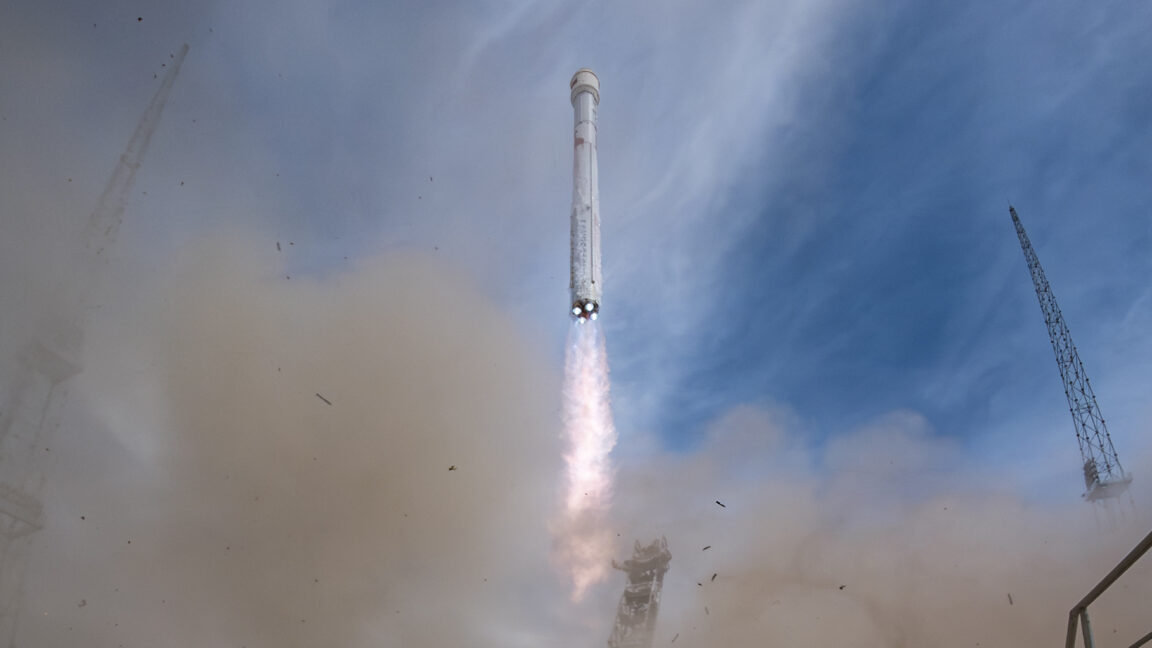
SpaceX is preparing its upgraded Starship for its first test flight as early as Tuesday, May 19. The vehicle represents a significant iteration in the company's fully reusable rocket architecture, designed to support both satellite deployment and eventual crewed missions.
The upgrade includes refinements to the Starship's thermal protection system, avionics, and structural components based on data from previous test flights. These improvements aim to increase reliability and extend the vehicle's operational envelope during ascent and reentry phases.
The test flight comes amid intensified competition in the commercial space sector. Multiple companies are developing next-generation launch vehicles, but SpaceX maintains an edge through rapid iteration and operational experience. Each test flight generates engineering data that directly informs hardware changes.
The timing also matters for SpaceX's broader roadmap. Starship forms the backbone of plans to establish lunar cargo missions, support point-to-point Earth transportation, and eventually enable Mars missions. Near-term, the vehicle needs to demonstrate consistent performance in test environments before regulatory approval for higher-cadence launches.
FAA oversight remains a factor. The agency has provided launch windows and monitoring requirements for SpaceX's test campaign. Each flight must clear safety reviews before proceeding, though the cadence of testing has accelerated compared to earlier programs.
The Starship second stage development also continues in parallel. Engineers are integrating updated engines and fuel management systems designed to improve performance during orbital insertion and eventual orbital refueling operations.
Success on this test flight would validate the upgrade package and keep SpaceX on track for an increased launch cadence through 2024. Failure would trigger additional engineering analysis and hardware redesigns, extending the testing timeline.