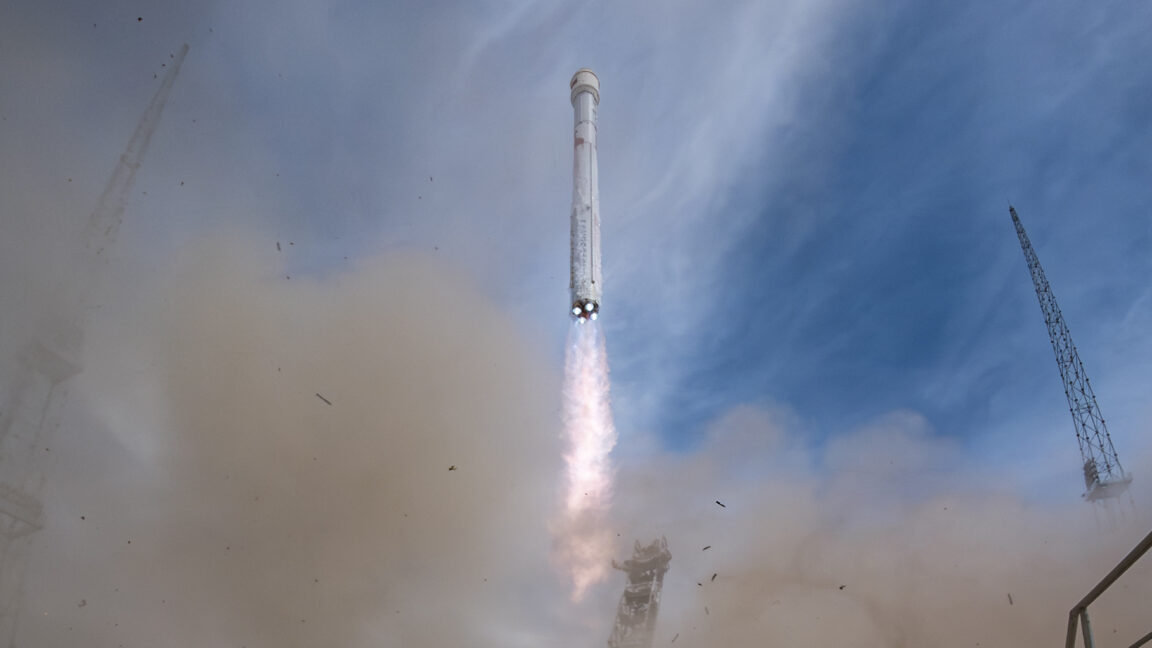
SpaceX's upgraded Starship vehicle is preparing for its first test flight as early as Tuesday, May 19. The fully integrated launch system, consisting of the Super Heavy booster and Starship upper stage, represents a major milestone in the company's development of a fully reusable heavy-lift launch system designed for deep space missions and eventual Mars transport.
This test flight will mark the first time SpaceX attempts a full stack integrated test. Previous Starship tests involved only the upper stage vehicle. The Super Heavy booster carries 33 Raptor engines and will attempt to achieve a controlled descent for potential recovery and reuse. Starship itself will undergo high-altitude flight testing, including engine performance evaluation and thermal protection system validation during reentry.
The stakes are significant. Starship represents SpaceX's vision for next-generation spaceflight architecture. Success in this test would demonstrate the feasibility of a fully reusable orbital launch system, potentially reducing launch costs substantially compared to expendable rockets. The vehicle's intended payload capacity exceeds 100 metric tons to orbit, making it comparable to NASA's Space Launch System.
However, the test remains inherently risky. Full stack integration testing introduces new failure modes. The booster and upper stage must separate cleanly, engines must perform at scale, and thermal protection systems must survive reentry conditions. Starship has experienced significant explosions during previous tests.
Regulatory approval from the FAA is required before launch. The company has been iterating on the design and testing protocols to satisfy safety requirements for the test range near Boca Chica, Texas.
Success would accelerate SpaceX's timeline for operational Starship flights carrying Starlink satellites and eventually NASA cargo for lunar missions. The test also positions SpaceX ahead of competitors developing next-generation launch systems. Failure would delay these timelines but likely accelerate engineering insights