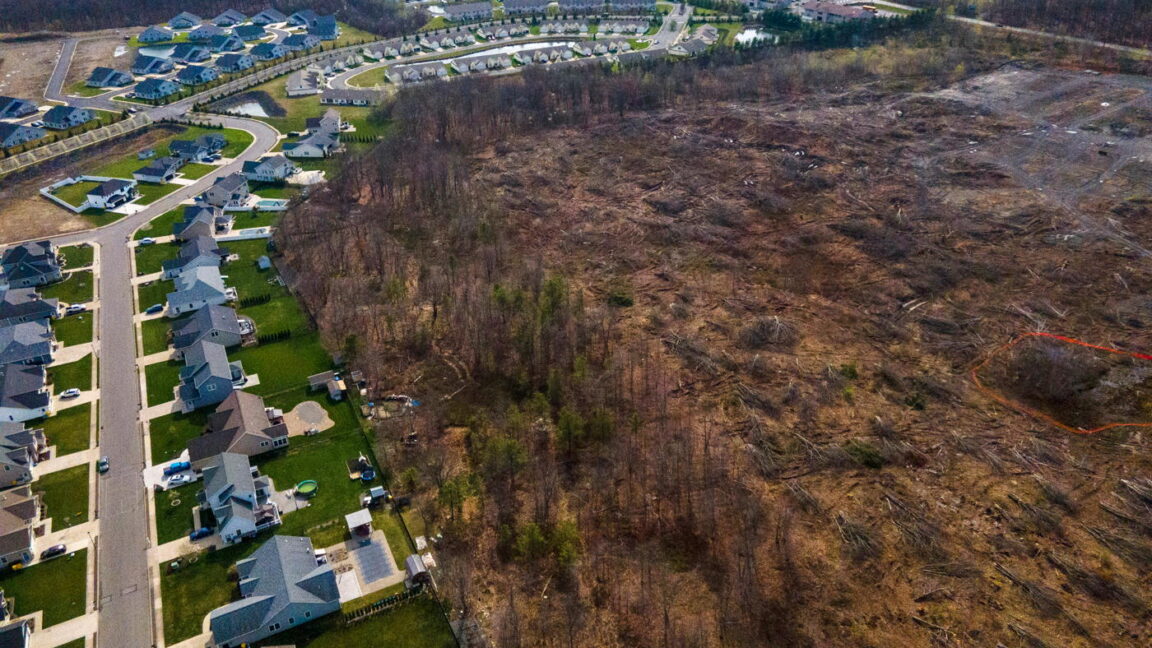
Pennsylvanians gathered at a town hall meeting to voice concerns about the rapid expansion of data centers across their communities. Residents raised objections centered on public trust and transparency, expressing frustration that local governments and developers have not adequately consulted with or informed affected populations about these projects.
Data centers consume massive amounts of electricity and water while generating noise and traffic. Pennsylvania has become an attractive location for data center development due to abundant power infrastructure and relatively low operating costs. Tech companies and their operators have moved quickly to secure land and permits, often outpacing local planning processes.
The town hall revealed a disconnect between development timelines and community input mechanisms. Residents complained they learned about projects only after approvals were underway or already granted. The lack of early, transparent communication left many communities feeling blindsided by decisions that would alter local environments and resources for decades.
Beyond environmental and quality-of-life concerns, attendees highlighted economic questions. While data centers generate some tax revenue and jobs, those benefits typically concentrate among corporate owners and a limited skilled workforce. Many residents questioned whether their communities would shoulder the infrastructure costs, environmental burdens, and long-term impacts without proportional returns.
The broader pattern mirrors tensions in other states where data center booms have arrived without adequate public dialogue. Pennsylvania's situation reflects a governance gap. Local zoning boards often lack expertise to evaluate complex infrastructure projects. State-level oversight remains minimal. Tech companies exploit this regulatory fragility by moving fast through approval processes.
Transparency demands from residents center on basic accountability. Communities want meaningful environmental impact assessments made public before projects advance. They seek binding commitments about water usage, waste management, and community benefits. They expect decision-making processes that include resident input from the earliest planning stages.
The Pennsylvania town hall signals growing pushback against data center expansion proceeding without community consent. As AI infrastructure demands escalate, these conflicts will intensify unless developers and regulators