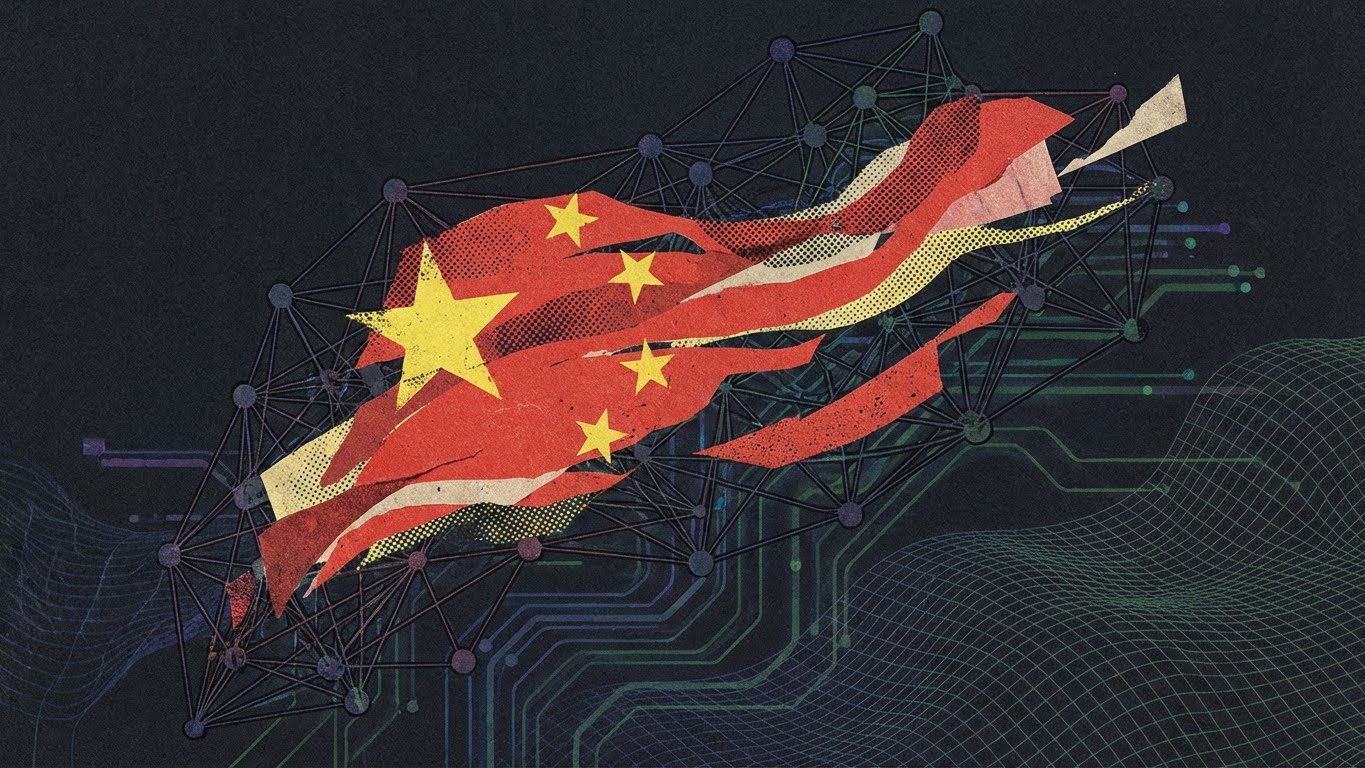
The US Commerce Department has approved roughly ten Chinese companies, including ByteDance, Alibaba, and Tencent, to purchase up to 75,000 Nvidia H200 chips each. Despite obtaining American export licenses, not a single chip has shipped to any of these firms.
Commerce Secretary Marco Lutnick attributes the stalled deals to Beijing's intervention. China is actively blocking these purchases to protect its domestic semiconductor industry from competition, according to Lutnick's account.
The H200 represents Nvidia's most advanced chip for AI inference and training tasks. At 75,000 units per company, the approved allocation would provide substantial computational capacity for large language models and other AI workloads. The total potential order across ten firms would reach 750,000 chips, representing billions of dollars in sales.
This situation reflects the widening bifurcation of global AI development. The US has relaxed certain export restrictions on advanced chips to Chinese companies under specific conditions, yet China's government prevents domestic firms from accepting the licenses. The dynamic reveals competing interests. American policymakers want to enable sales while maintaining security controls. Chinese leadership prioritizes developing indigenous chip capacity rather than remaining dependent on US suppliers.
ByteDance, which operates TikTok and develops AI models, would benefit most from unrestricted chip access given its scale. Alibaba and Tencent similarly run massive cloud and AI services requiring cutting-edge processors.
The impasse underscores broader US-China technology competition. Washington uses export licensing as a negotiating tool and revenue source while maintaining national security restrictions. Beijing counters by blocking imports to force self-sufficiency in semiconductors. Neither side appears willing to compromise.
For Nvidia, the situation presents lost revenue from one of its largest potential markets. The company faces pressure from both directions: US regulations limit what it can sell, while Chinese government policy prevents customers