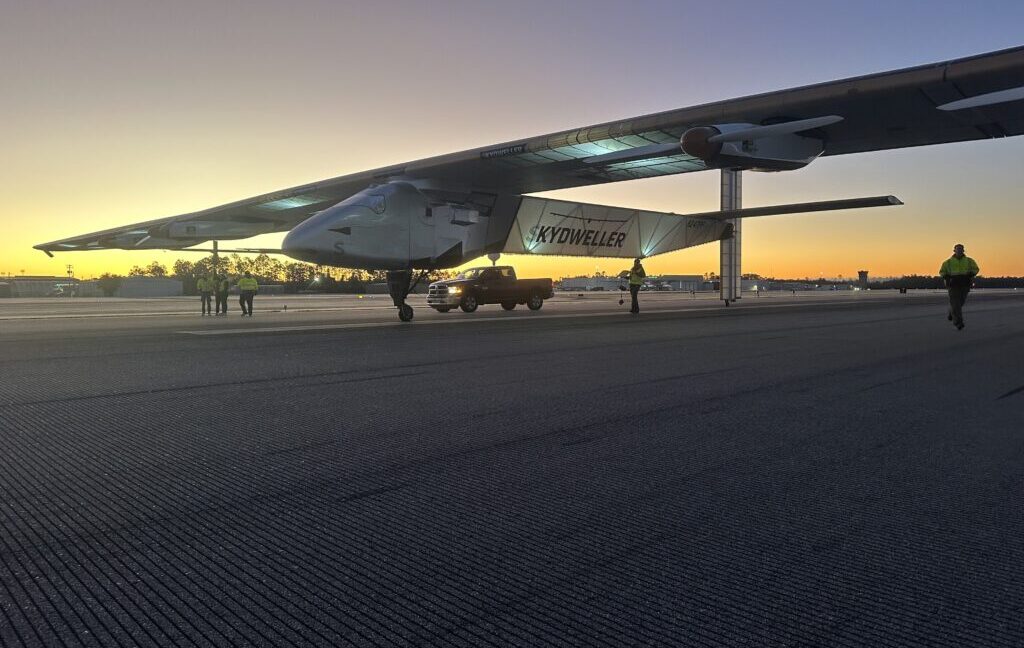
A solar-powered experimental aircraft with a wingspan exceeding that of a Boeing 747 set a new altitude record before crashing during its final test flight. The drone achieved its record-breaking height through innovative solar cell technology and ultra-lightweight construction, demonstrating the feasibility of sustained high-altitude flight powered entirely by sunlight.
The aircraft's design prioritized efficiency above all else. Engineers constructed the frame from carbon composites and covered it with high-efficiency solar panels that convert sunlight directly into electrical power for its electric motors. The extreme wingspan, measuring over 200 feet, generated sufficient lift to reach altitudes previously impossible for solar aircraft. This configuration allowed the craft to remain aloft for extended periods by harvesting solar energy during daylight hours and storing power in onboard batteries for nighttime operations.
The altitude record represented a major milestone for solar aviation. The aircraft climbed higher than typical commercial airliners, proving that sustained high-altitude flight doesn't require fossil fuels. Researchers gathered critical data on how solar-powered systems perform in thin-air conditions where every watt of power becomes precious.
The subsequent crash during landing operations revealed the inherent challenges of operating such delicate experimental aircraft. The extreme wing-to-weight ratio that enabled record-breaking performance also made the drone vulnerable to sudden atmospheric conditions and control difficulties during descent. Recovery operations and post-crash analysis will likely inform future designs of high-altitude solar vehicles.
The project's legacy extends beyond the crash itself. The successful altitude flight validated decades of research into ultra-efficient aircraft design and solar propulsion. Military and civilian aerospace programs monitor such demonstrations closely, recognizing that high-altitude, long-endurance solar drones could eventually serve communications, surveillance, and climate monitoring roles without requiring fuel resupply.
The engineering team's decision to push the envelope on one final flight illustrates the calculated risk-taking inherent in experimental aviation. While the