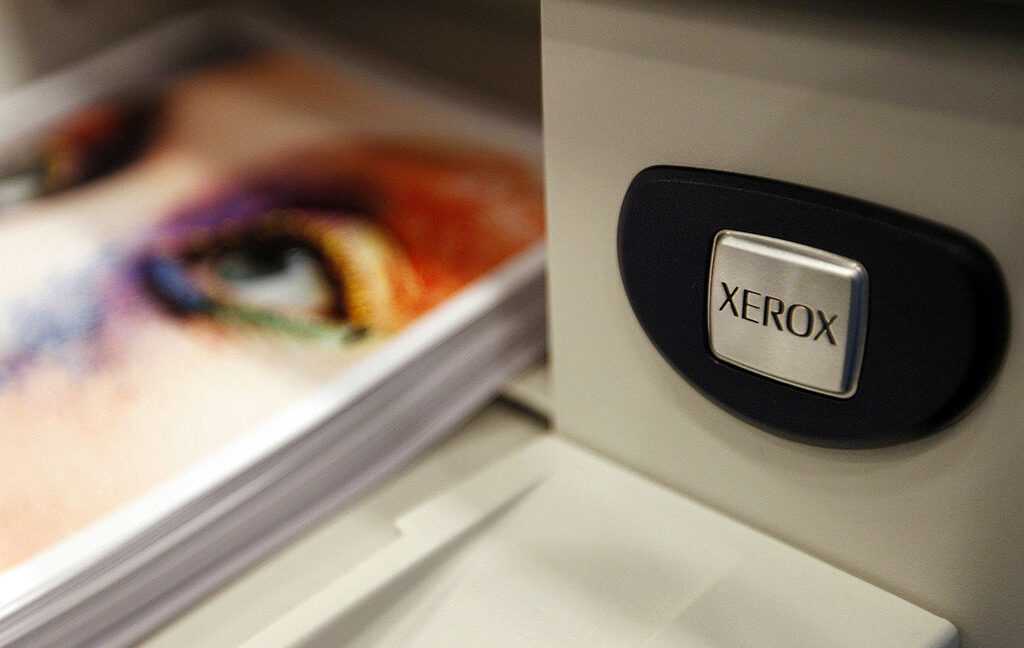
Australian authorities intercepted a shipment of 49 pounds of cocaine hidden inside Xerox printers arriving from Mexico, according to reports. The drugs carried an estimated street value exceeding $9 million USD.
The smuggling attempt represents a notable shift in drug trafficking tactics. Rather than using traditional concealment methods, traffickers embedded cocaine inside the mechanical components of multifunction office printers. The strategy exploits a gap in inspection protocols, as shipping containers filled with office equipment typically receive less scrutiny than packages flagged as suspicious.
Law enforcement detected the shipment during routine customs screening at an Australian port. Officers identified inconsistencies in the printer weight and density that suggested hidden compartments. Upon examination, they discovered the cocaine wrapped and packed within the device's internal mechanisms.
The case reflects growing sophistication among international drug syndicates. Traffickers increasingly experiment with concealment methods designed to evade standard scanning technology and inspection procedures. Office equipment proves particularly effective because legitimate shipments arrive constantly, creating cover within normal commercial traffic. The Xerox printer approach also leverages the fact that customs officials may hesitate to disassemble expensive equipment during initial inspections.
Australian Border Force and federal police are investigating the source and intended recipients. Officials suspect the operation connects to larger trafficking networks operating across the Americas and Pacific regions. Mexico remains a major production hub for cocaine destined for Asian and Australian markets, where the drug commands premium prices due to scarcity and demand.
This interception adds to a pattern of record cocaine seizures in the region. Australian authorities reported increased trafficking attempts over the past two years as criminal organizations adapt routes and methods following enforcement actions elsewhere. The printer smuggling case demonstrates how criminals continuously innovate, repurposing everyday commercial items to move product across borders.