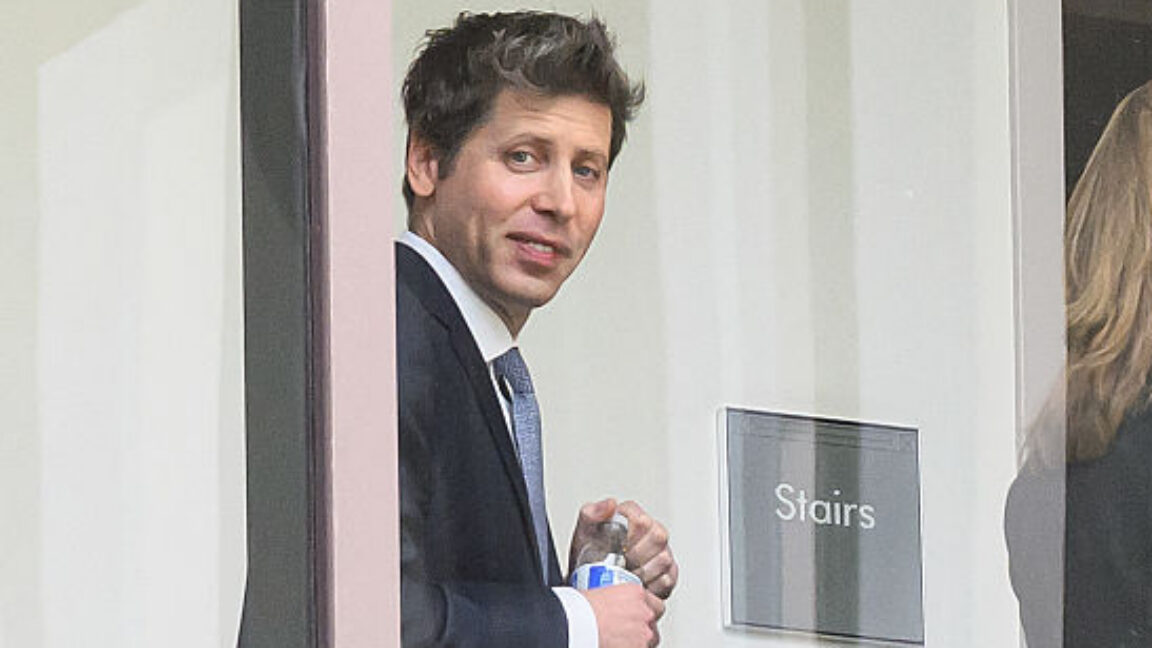
Sam Altman faced aggressive questioning during an OpenAI trial that challenged his credibility and track record of public statements. The proceedings forced the CEO to defend himself against claims that he has made misleading or false claims about the company's direction, capabilities, and business decisions.
The trial centers on disputes over OpenAI's governance and Altman's control of the company. Questioning focused on specific instances where Altman's public statements diverged from internal realities or later developments. Lawyers presented evidence suggesting patterns of misrepresentation about OpenAI's safety practices, the nature of its nonprofit structure, and strategic decisions regarding model development and partnerships.
Altman acknowledged the emotional toll of the proceedings, describing moments as "very painful." He drew comparisons to Elon Musk's experience losing control of companies, indicating the trial touched on deep anxieties about his leadership position. The comparison underscores how the case addresses fundamental questions about who actually controls OpenAI and whether Altman has operated within the bounds of transparency expected from a CEO managing a company valued in the billions.
The trial evidence suggests significant gaps between Altman's public positioning and internal communications. This discrepancy matters because OpenAI operates in a unique space where it claims nonprofit origins while functioning as a for-profit entity with substantial commercial interests. Stakeholders including early investors, employees, and the nonprofit board members have questioned whether Altman properly disclosed conflicts or fully explained strategic pivots.
The proceedings expose tensions inherent in OpenAI's structure. Altman controls decision-making while the nonprofit board theoretically oversees the company. The trial tests whether this arrangement has functioned as intended or whether Altman consolidated power while obscuring that consolidation from stakeholders who believed they held oversight authority.
Credibility emerges as the central issue. If jurors find Altman made false or misleading statements about