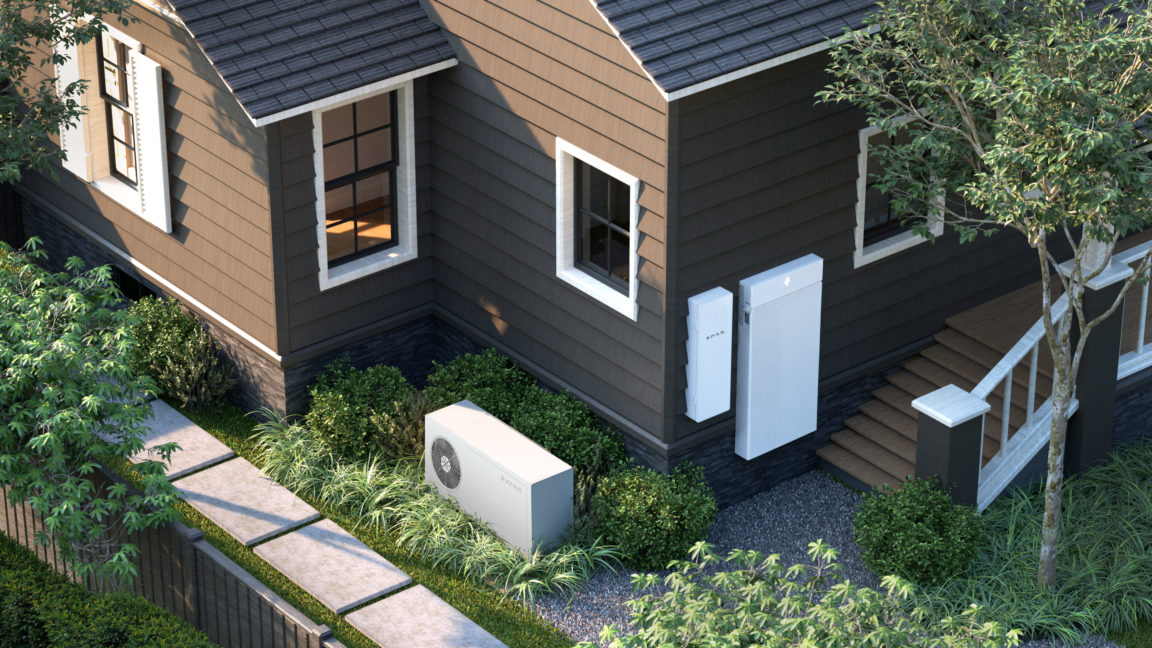
Several startups are pitching a distributed computing model where homeowners host small data center equipment in their residences, earning compensation in exchange. The approach targets the bottleneck facing AI companies: insufficient GPU capacity and data center infrastructure to meet surging demand.
Companies pursuing this model argue that residential deployment bypasses traditional data center constraints. Instead of waiting for centralized facilities to scale, AI firms can tap a geographically dispersed network of home-based hardware. Residents receive payments for hosting the equipment, providing a passive income stream.
The pitch appeals to both sides. For AI companies, distributed compute reduces latency, spreads infrastructure costs, and accelerates deployment without massive capital expenditure on facilities. For homeowners, it offers compensation for unutilized bandwidth and electricity without significant labor.
The model faces real obstacles. Residential internet connections lack the redundancy and reliability of enterprise infrastructure. Power consumption could spike household electricity bills despite compensation claims. Thermal management in homes differs drastically from engineered data centers, potentially shortening equipment lifespan. Regulatory questions persist around residential use of commercial networking equipment, liability frameworks, and data sovereignty.
Security vulnerabilities emerge when sensitive AI training data or proprietary models sit on home networks vulnerable to breaches. Homeowners become custodians of valuable assets without necessarily understanding the risks. Internet service providers may impose terms-of-service violations on commercial compute use, complicating adoption.
Early projects have launched, but scale remains limited. The model works best for non-critical compute tasks that tolerate occasional downtime. Large-scale AI training and inference requiring consistent, high-performance resources still demands traditional data centers.
The residential compute pitch reflects genuine infrastructure strain. GPU shortage remains real, and traditional data center expansion moves slowly. Whether distributed home networks can absorb meaningful AI workload remains unproven at scale.