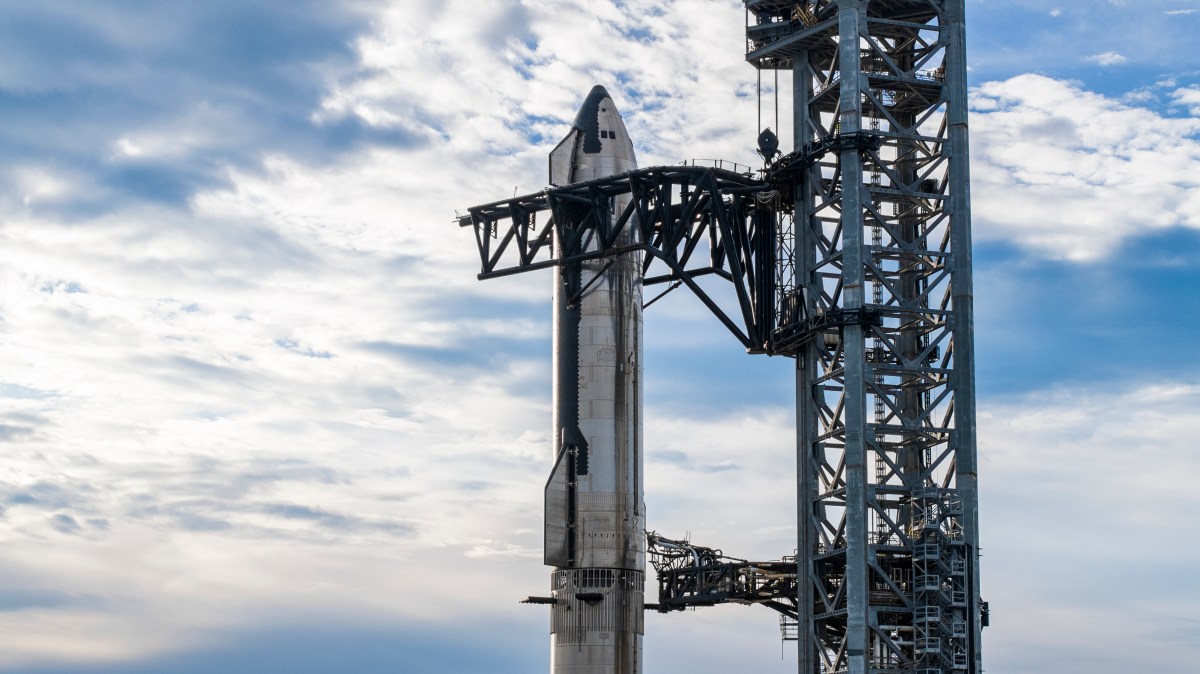
Google and SpaceX are negotiating to deploy data centers in orbit, with both companies viewing space as a potential hub for AI computing infrastructure. The talks remain preliminary, but the partnership would represent a significant shift in how cloud providers think about computation location.
The rationale centers on latency and physics. Orbital data centers could serve satellite-based internet services, particularly Starlink, with minimal delay. For time-sensitive AI applications, reduced latency matters. Space-based infrastructure could also theoretically tap renewable energy sources or exploit unique orbital conditions unavailable on Earth.
The economics, however, present major obstacles. Launching and maintaining data centers in space costs substantially more than terrestrial facilities. Power delivery, thermal management, and hardware durability in the space environment add layers of complexity. Current satellite internet speeds, while improving, still lag fiber-optic ground networks for most workloads.
SpaceX's Starlink constellation provides the infrastructure angle. With tens of thousands of satellites already in orbit, the company has positioned itself as a natural partner for companies seeking space-based services. Google, meanwhile, continues building its cloud computing footprint and AI capabilities. Combining their resources addresses both supply and demand within SpaceX's existing ecosystem.
The talks signal broader industry thinking about AI compute scarcity. As training models demand more power and processing resources, companies explore non-traditional locations. However, experts remain skeptical about near-term viability. The cost-to-performance ratio heavily favors ground-based data centers, especially in regions with cheap power like Iceland or the Pacific Northwest.
If successful, orbital data centers would primarily serve niche applications, not replace traditional infrastructure. Edge computing for Starlink users, low-latency financial trading, or specialized scientific computing represent more realistic near-term use cases than general-purpose AI workloads.
The talks underscore how AI competition drives companies toward unconventional solutions