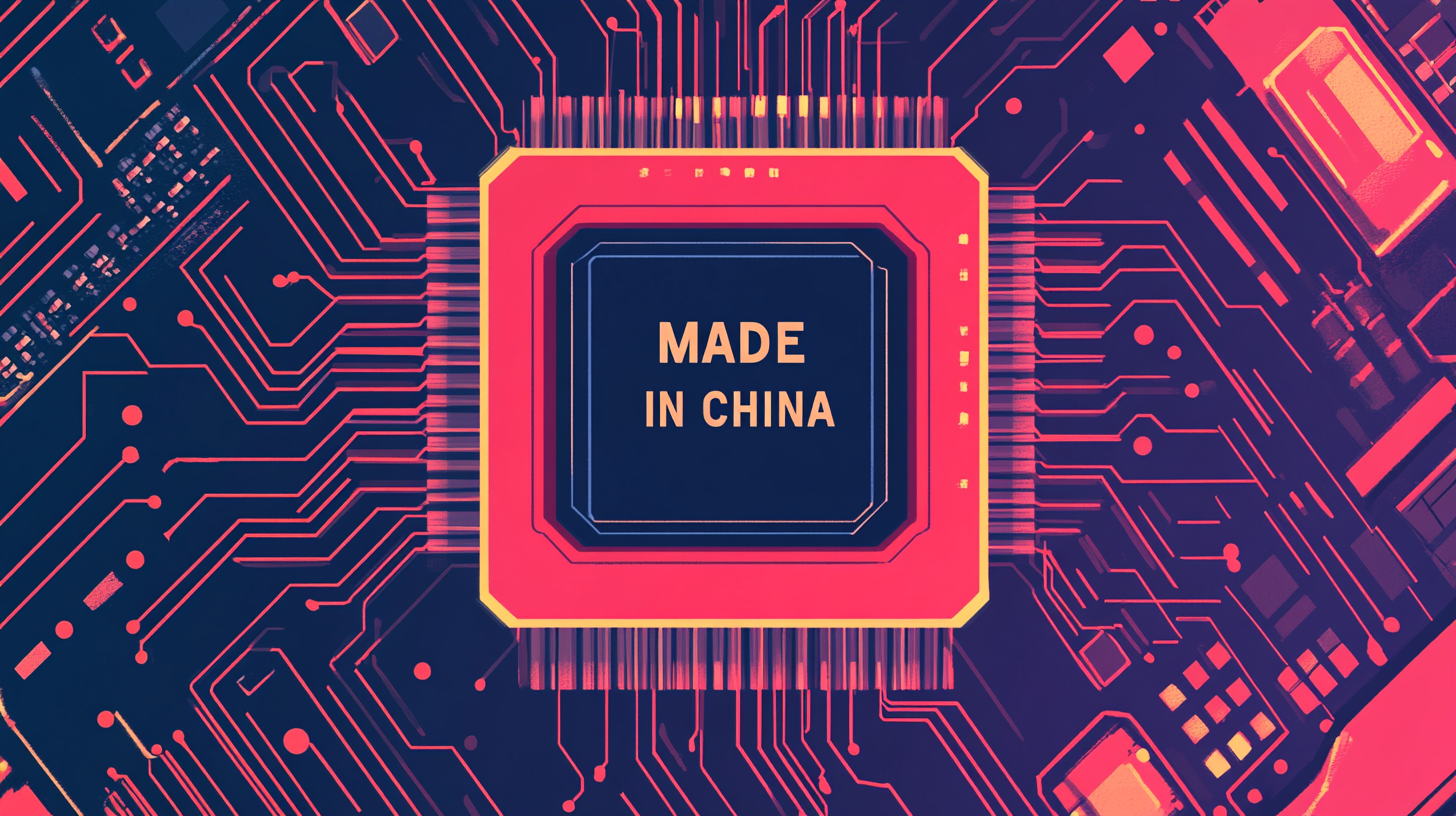
Chinese AI companies face mounting production bottlenecks as they struggle to secure critical components needed for advanced chip manufacturing. The shortage stems from both supply chain constraints and export restrictions imposed by Western nations, particularly the United States, which has tightened controls on semiconductor technology sales to China.
Local chipmakers cannot keep pace with domestic demand for AI processors. Companies including Huawei, Alibaba, and ByteDance have ramped up internal chip development to reduce reliance on foreign suppliers, yet their production capacity remains insufficient. The gap between what Chinese firms need and what they can produce has widened significantly over the past year.
The bottleneck affects multiple layers of the supply chain. Manufacturers struggle to obtain advanced packaging materials, specialized semiconductors, and precision manufacturing equipment. Domestic suppliers lack the capacity to fill these gaps quickly, forcing some companies to source from secondary markets or delay product launches.
Export controls introduced by the U.S. Department of Commerce have proven particularly disruptive. These restrictions target chips designed for AI applications, effectively limiting China's access to cutting-edge semiconductor technology from vendors like NVIDIA and AMD. In response, Chinese firms have invested billions in developing domestic alternatives, but these homegrown solutions remain behind Western counterparts in performance metrics.
The shortage directly impacts China's AI development timeline. Language models, large-scale training operations, and inference servers all depend on adequate chip supply. Companies operating at scale report production delays ranging from three to six months as they wait for components.
Industry observers note that this constraint shapes competitive dynamics. While China cannot match Western AI capabilities through raw hardware performance, companies may compensate by optimizing software efficiency and developing specialized architectures tailored to available components. The shortage also accelerates investment in domestic semiconductor manufacturing, though building comparable capacity requires years rather than months.
The situation remains fluid. Chinese suppliers continue ramping production, and some domestic chips approach international performance levels. However, the structural