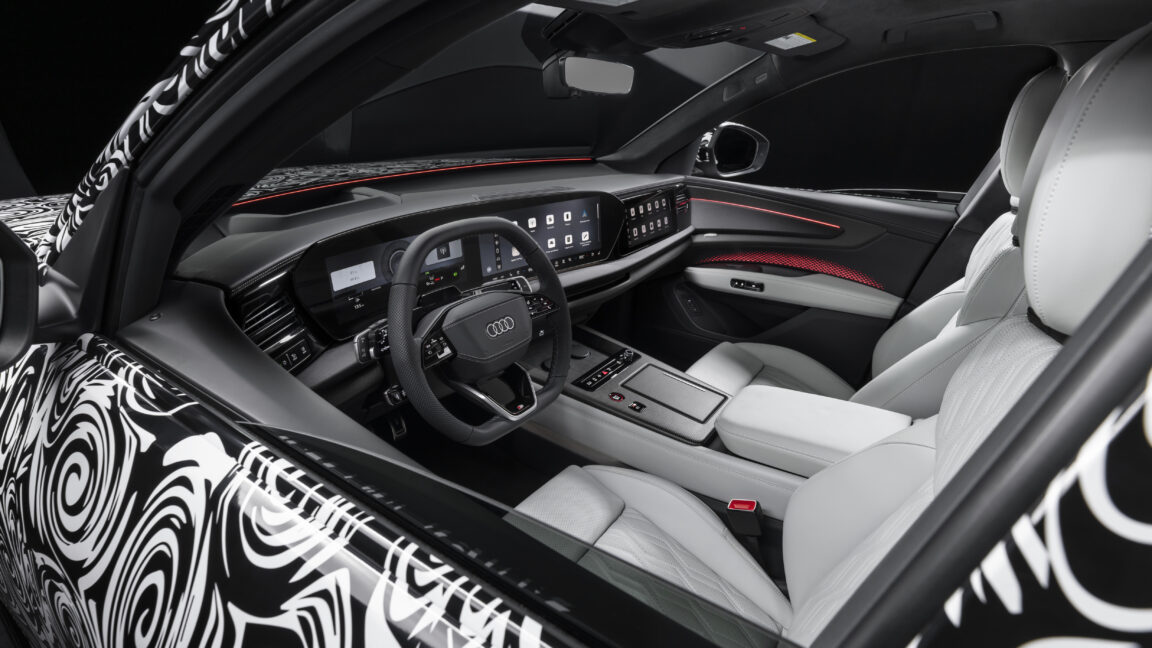
Audi is preparing to launch the Q9, its first full-size flagship SUV, with design decisions heavily informed by American consumer preferences. The German automaker consulted extensively with US market insights to shape the vehicle's interior and overall positioning.
The Q9 represents a significant move upmarket for Audi's SUV lineup. The company has historically focused on mid-size offerings like the Q5 and Q7, but the new flagship aims to compete directly with established luxury full-size SUVs such as the BMW X7 and Mercedes-Benz GLS. By prioritizing American tastes in development, Audi signals its commitment to the world's largest luxury vehicle market.
Details about the interior design reflect this strategic focus. Audi typically emphasizes minimalist digital interfaces and premium material quality, but the Q9's cabin likely incorporates features and dimensions tailored to American buyer expectations. This includes generous interior space, intuitive control layouts, and technology integration that resonates with North American consumers who value both luxury and usability.
The timing aligns with broader industry trends. Luxury automakers continue expanding their full-size SUV portfolios as wealthy consumers increasingly favor large vehicles over sedans. Audi's move fills a gap in its portfolio and positions the brand to capture buyers seeking an alternative to established competitors.
The Q9's development process underscores how global automakers balance global platforms with regional customization. Rather than simply rebadging vehicles or applying one-size-fits-all design philosophy, Audi invested in understanding what American luxury buyers specifically value in a flagship SUV experience.
Production details and official specifications remain limited, but the Q9 appears positioned to debut within the coming years. The vehicle's emphasis on American market requirements suggests Audi expects significant sales volume from the US, making this more than a token luxury offering for the brand's global lineup.