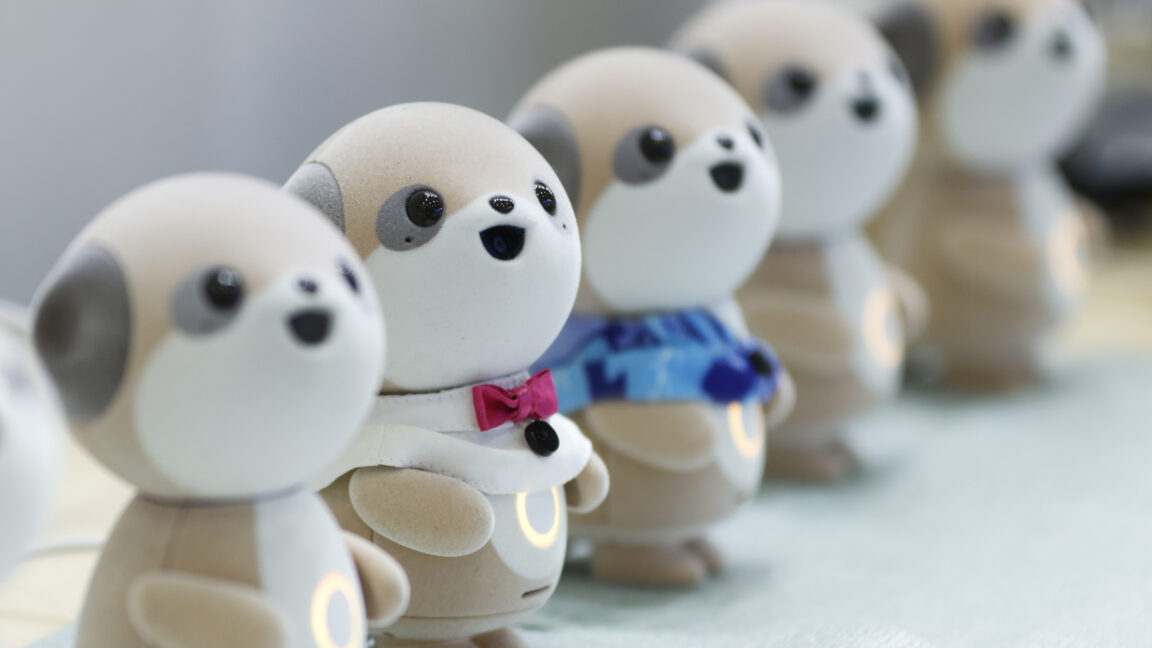
AI-powered children's toys are entering an unregulated market with few safety guardrails, sparking calls for legislative action. These devices use voice recognition and machine learning to engage kids in conversation, tell stories, and respond to questions in real time. Unlike traditional toys, they collect data, connect to the internet, and learn from interactions.
The devices promise educational benefits and personalized engagement. Companies market them as companions that adapt to a child's interests and development level. But the lack of oversight creates serious risks. Children's conversations get stored on company servers, raising privacy concerns. The AI systems can make mistakes or generate inappropriate responses without human review. Parents have limited visibility into what data companies collect or how they use it.
Some examples already exist. Mattel's Hello Barbie uses voice AI to chat with kids. Other startups have released AI-powered teddy bears and companion robots designed for children. These products bypass traditional toy safety regulations because they don't fit neatly into existing categories.
The data collection issue troubles privacy advocates most. Tech companies harvest voice recordings, interaction patterns, and behavioral data from young users. This information becomes valuable for training better AI models and targeting ads. Children under 13 receive protections under COPPA (Children's Online Privacy Protection Act), but enforcement remains weak.
Lawmakers in several states have proposed bans or strict regulations on AI toys. Some proposals would require explicit parental consent before any data collection. Others demand transparency about how AI systems work and what they can access. A few go further, seeking outright prohibitions on certain types of AI-child interactions.
Industry groups argue that regulation will stifle innovation and that market competition drives safety improvements. They point to parental controls as sufficient protection. But critics note that young children cannot consent to data collection and parents often lack technical knowledge to understand what these systems do.
The toys represent a broader tension. AI in children's products