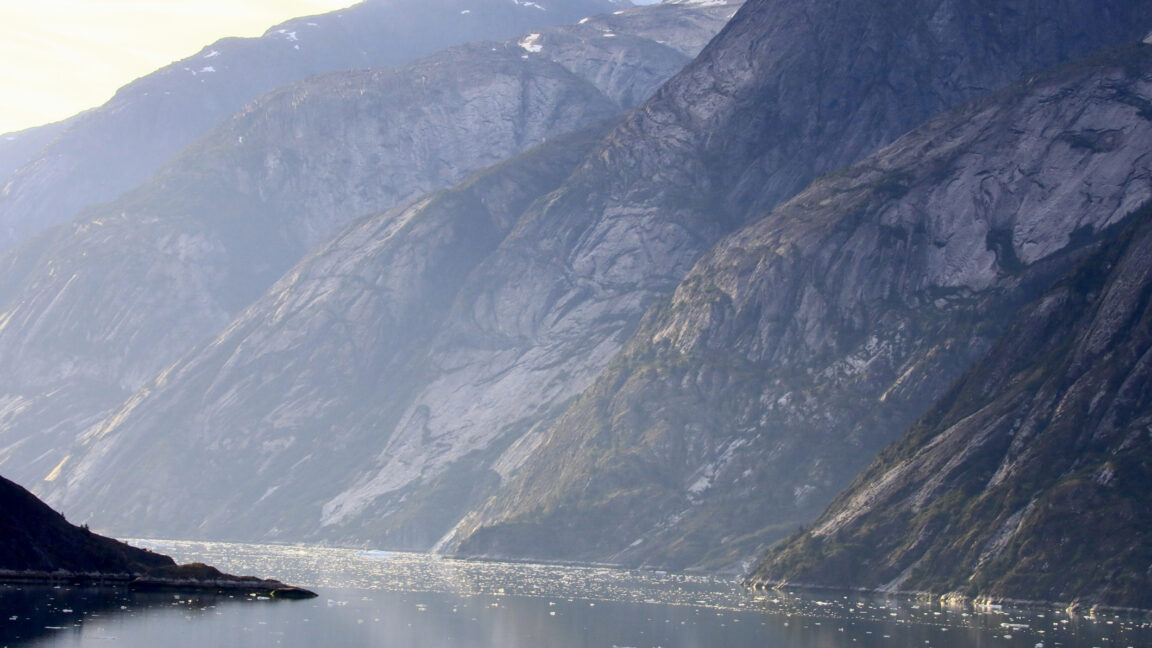
A massive landslide triggered a 500-meter-high tsunami in a major tourist destination, but the incident occurred early morning when the area was unoccupied, preventing casualties.
The extreme height of the tsunami, reaching approximately 1,640 feet, underscores the destructive potential of sudden geological events in populated regions. Landslide-generated tsunamis differ fundamentally from seismic tsunamis. Seismic waves spread energy across ocean basins over hours. Landslide tsunamis concentrate energy locally and strike with minimal warning, creating hazardous conditions for nearby communities and visitors.
The timing of this event highlights a critical vulnerability in tourism-dependent areas. Many popular destinations sit adjacent to unstable terrain. Glacial valleys, steep coastal cliffs, and fjords pose particular risks. A similar event during peak tourist season could have resulted in hundreds or thousands of deaths.
Scientists track several mechanisms that generate landslide tsunamis. Subaerial slides, where material falls from above water, displace massive volumes instantly. Submarine slides operate similarly but underwater. In both cases, the water column responds violently, sending waves outward in all directions at speeds up to 200 kilometers per hour.
Monitoring systems for landslide tsunamis remain less developed than earthquake detection networks. Seismic sensors can identify large slides, but gaps persist in early warning coverage. Several regions now deploy underwater pressure sensors and coastal tide gauges specifically calibrated for rapid displacement events.
The incident reinforces why coastal communities near unstable slopes require updated evacuation protocols and public education. Local residents and businesses need to understand that landslide tsunamis arrive without the seconds or minutes of warning that seismic events sometimes provide. Emergency systems must account for the extreme vertical amplitudes these waves can reach.
As climate change accelerates glacial melting and increases extreme precipitation, land