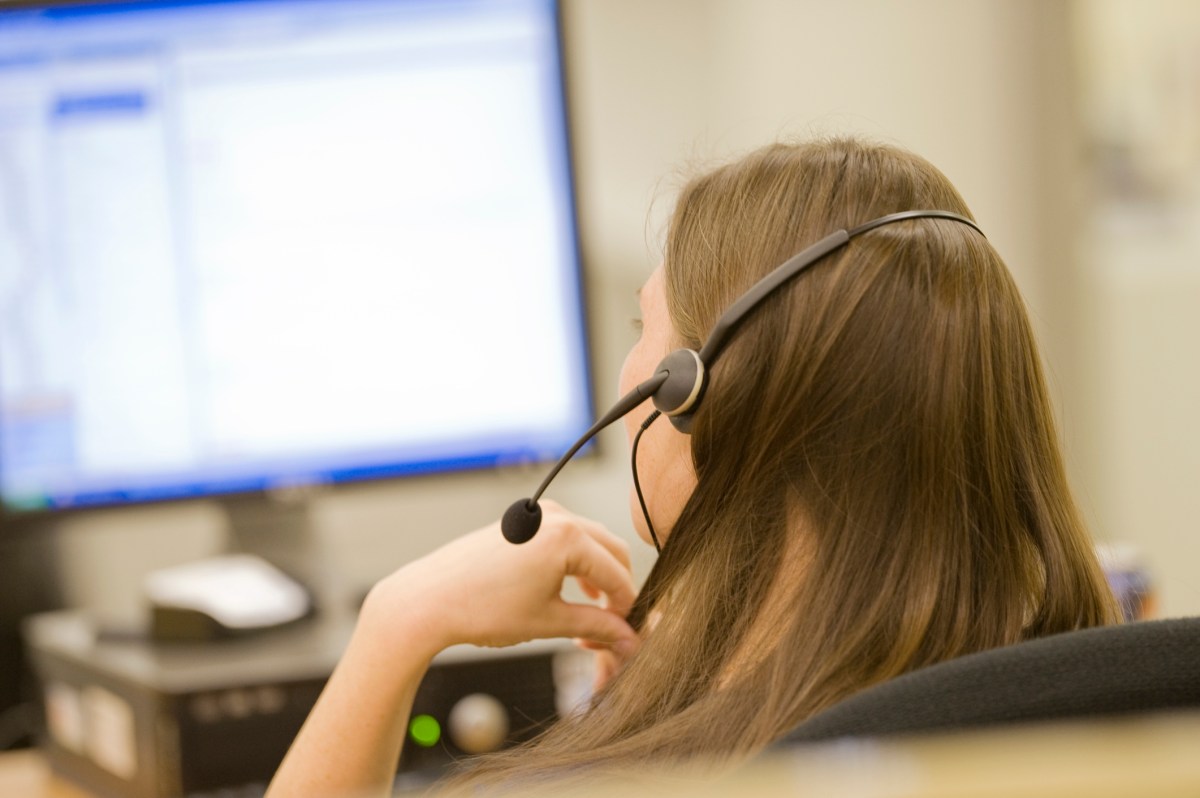
Voice interfaces are reshaping office design faster than most workplace leaders realize. As workers increasingly use voice commands, transcription, and voice-activated AI assistants, the traditional open-plan office faces a fundamental problem: acoustic chaos.
When dozens of employees talk to their machines simultaneously, background noise becomes unmanageable. Speech recognition systems struggle. Concentration collapses. This reality is forcing architects and office planners to rethink workspace layouts entirely.
Companies are experimenting with pod-based systems, soundproof booths, and acoustic paneling tailored specifically for voice-heavy workflows. Some employers are building dedicated "voice zones" separate from collaborative areas. Others are investing in noise-cancellation technology integrated directly into workstations.
The shift reflects a larger truth about AI adoption. Each new interface paradigm requires physical infrastructure changes. Typing required keyboards and desks. Touchscreens demanded mobile-friendly spaces. Voice demands silence, or at least controlled acoustic environments.
Privacy compounds the challenge. When employees speak their work aloud to AI systems, sensitive data travels through the air. Competitors and colleagues can overhear confidential information, financial data, or client details. This pushes companies toward private booths and isolated work areas, fragmenting the collaborative open office that tech firms championed for decades.
Remote work partially solves this problem. Employees working from home avoid the cacophony entirely. But for those requiring in-office presence, the choice becomes stark: accept scattered pods and individual soundproofed spaces, or maintain traditional open layouts where voice interfaces become liabilities rather than assets.
Furniture makers and real estate firms are already capitalizing on this shift. Startup Framery and established players like Herman Miller are redesigning their product lines around voice-friendly work. The "office of the future" looks less like an open creative playground and more like a library where people work in controlled isolation.