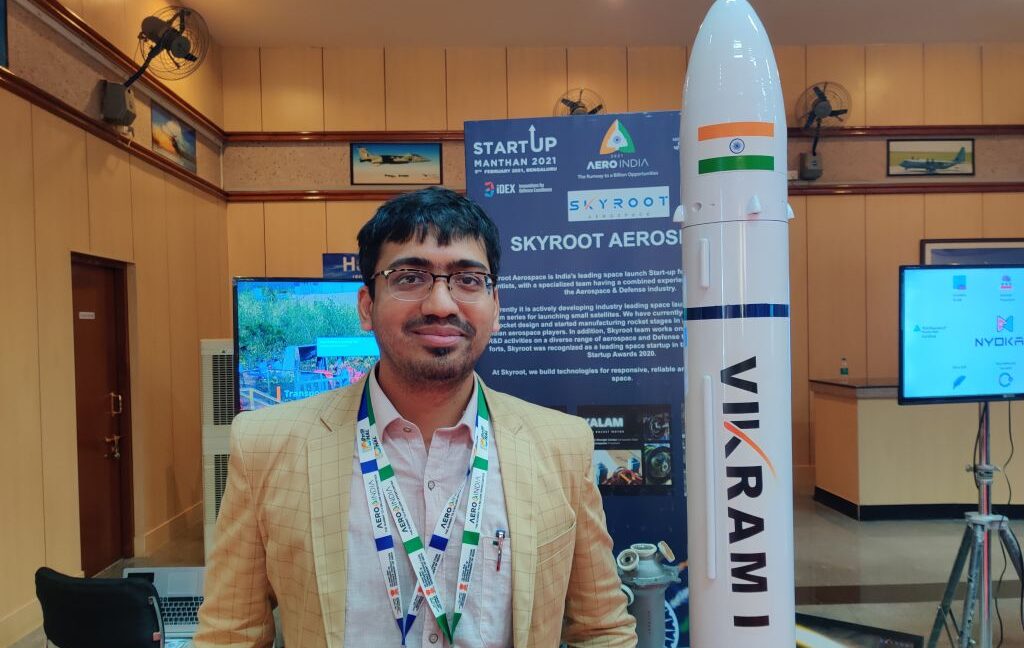
Skyroot Aerospace, India's leading private launch startup, is preparing for its first orbital test flight after years of development and testing. The company has conducted multiple sub-orbital tests of its Vikram rocket family and now moves toward demonstrating full orbital capability.
Skyroot operates in India's rapidly expanding commercial space sector, competing alongside established players like ISRO while targeting the small satellite launch market. The company's Vikram-1 vehicle is designed to carry payloads up to 500 kilograms to low Earth orbit, addressing demand from Earth observation and communications satellite operators seeking dedicated, on-demand launch services.
The startup's path reflects broader momentum in Indian spaceflight. Regulatory changes over the past five years opened India's space industry to private operators, ending ISRO's monopoly. Skyroot benefited from this shift, securing government backing and venture capital while conducting increasingly complex test campaigns.
Previous sub-orbital flights tested critical systems including avionics, propulsion, and recovery mechanisms. These flights validated the rocket's solid-fuel first stage and liquid-fueled upper stages. Success in orbital testing would prove Skyroot can reliably reach space, a milestone few private launch companies achieve.
The orbital test matters beyond India. With SpaceX dominating global small-sat launch and competitors like Relativity Space and ABL Space Systems facing delays, successful new entrants attract attention. Skyroot's focus on small payloads, competitive pricing, and India's geographic advantages for equatorial launches create a viable market position.
India's space ambitions extend beyond commercial launch. ISRO continues advancing exploration programs, including lunar missions and planned space station plans. Skyroot's success would strengthen India's technical capabilities across the sector while proving the country's private industry can execute complex aerospace projects at scale.
The company's timeline targets remain aggressive. Moving from sub-orbital demonstrations to orbital