# Do You Take After Your Dad's RNA?
Scientists are finding evidence that sperm carries molecular marks reflecting a father's life experiences, and these marks can shape traits in his offspring. This discovery challenges the traditional view that inheritance flows purely through DNA sequence alone.
The research centers on epigenetic modifications, chemical tags that sit atop DNA and RNA molecules without altering the genetic code itself. These marks control which genes turn on or off. A father's diet, stress levels, exercise habits, and environmental exposures appear to leave imprints on his sperm that survive fertilization and influence development in his children.
Recent studies show that paternal stress can alter offspring behavior and stress responses. Maternal malnutrition passed to children through epigenetic marks increases metabolic disease risk. Even paternal obesity appears linked to metabolic dysfunction in sons through similar mechanisms.
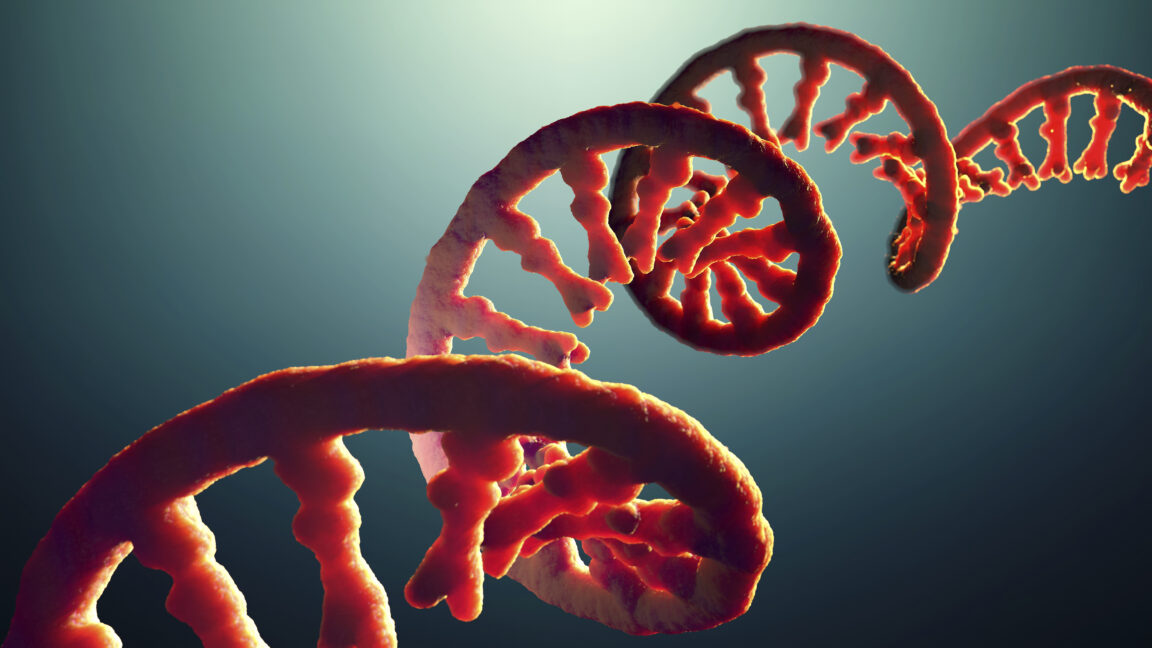
The biological pathway operates through RNA molecules in sperm. Unlike DNA, which gets largely stripped from sperm during fertilization, certain RNA fragments persist and reach the egg. These RNA molecules carry epigenetic information that shapes early embryo development.
This doesn't mean fathers bear responsibility for every health outcome in their children. Epigenetic marks are not permanent. They can change across generations and respond to environmental shifts. The marks also interact with a child's own experiences, creating complex inheritance patterns that lack simple causality.
The implications extend beyond basic biology. Understanding paternal epigenetics could explain why identical twins develop differently and why disease risk clusters in families despite matching DNA sequences. It also suggests that lifestyle interventions in men, not just women, matter for offspring health.
The field remains young. Researchers are still mapping which paternal experiences trigger which epigenetic changes and how stable these marks remain across lifespans. What's clear is that inheritance involves more than Mendelian genetics. Fathers don't just pass genes to their children. They pass the molecular