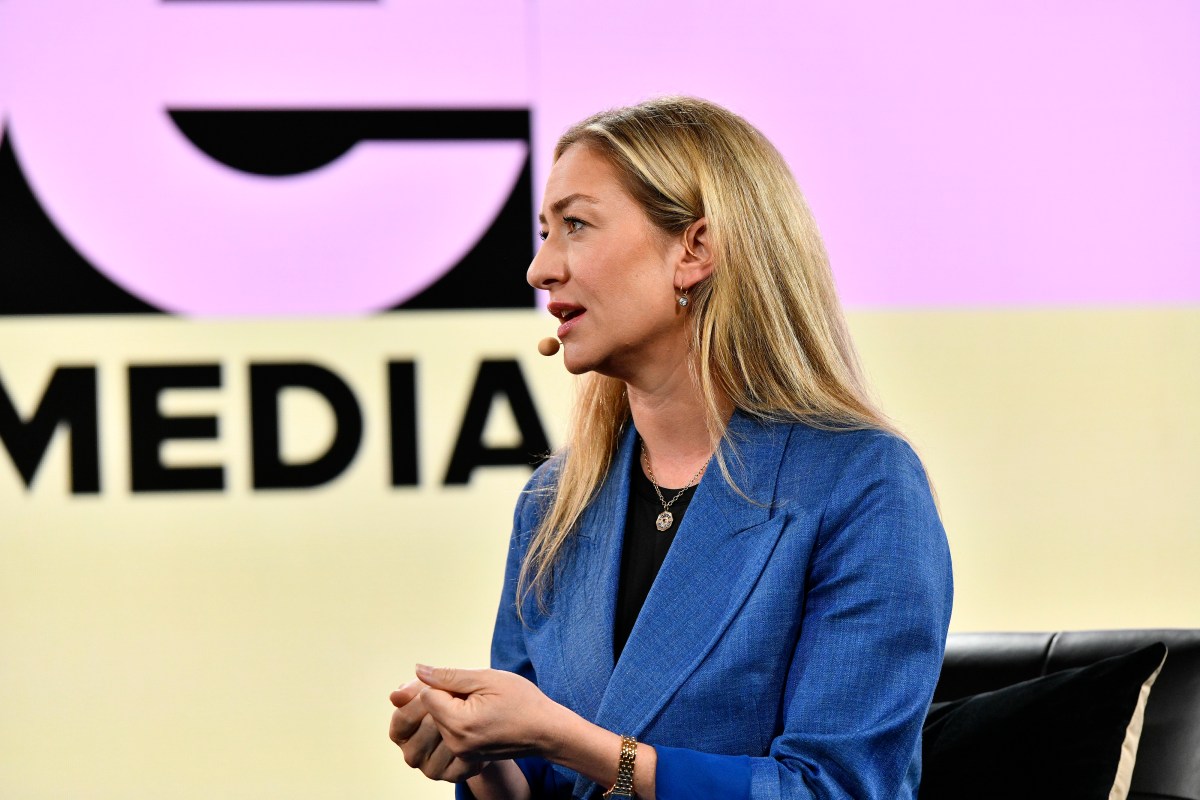
Bumble plans to eliminate swiping as the core mechanic of its dating app, CEO Whitney Wolfe Herd announced. The shift marks a fundamental redesign of how users discover potential matches on the platform.
The move reflects Bumble's pivot toward artificial intelligence. The company is developing Bee, an AI dating assistant designed to help users navigate matchmaking. Wolfe Herd has repeatedly positioned AI as transformative for relationships, calling it "a supercharger to love and relationships."
Replacing swipes with AI-driven discovery makes strategic sense. Swiping, the dominant interaction model since Tinder popularized it in 2012, has become stale. Users experience decision fatigue from endless card stacks. An AI system could instead learn user preferences, behavior patterns, and conversation history to serve higher-quality matches without relying on rapid-fire decisions.
The timing aligns with broader industry trends. Dating apps face stagnation as growth slows and user engagement plateaus. Competitors have experimented with AI features, but none has yet redesigned the core experience around intelligent matching. Bumble's approach could differentiate the app in a crowded market.
Details remain sparse. Bumble hasn't specified how the new interface will function or when rollout begins. The company hasn't clarified whether Bee will replace swiping entirely or coexist with it in hybrid form. Integration matters. Poor AI recommendations or clunky UX could drive users away faster than a failed feature.
Success depends on execution. Users have ingrained habits around swiping. Bumble must prove that AI matching produces better dates and longer conversations, not just different ones. The assistant needs to handle edge cases. How does it handle users seeking niche preferences? How transparent will matching algorithms be?
Wolfe Herd's AI enthusiasm carries risks. Overselling AI capabilities