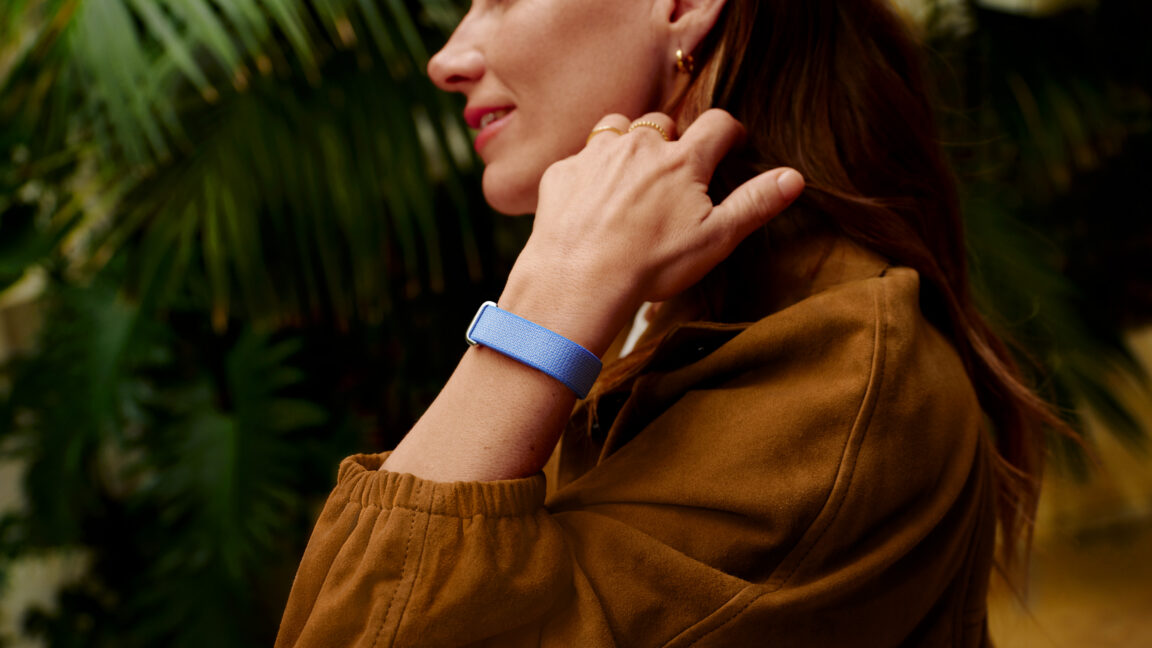
Google released the Fitbit Air, a $100 wearable that ditches the traditional screen entirely, marking a shift away from Fitbit's display-centric design philosophy. The device enters preorder today and represents Google's effort to simplify wearables for casual fitness tracking.
The screenless approach reduces bulk and power consumption, allowing the Fitbit Air to focus purely on health data collection. Users will interact with the device primarily through a companion mobile app rather than glancing at an on-wrist display. This aligns with Google's broader strategy to consolidate Fitbit functionality into a unified health ecosystem.
Google simultaneously unveiled a new Health app designed to replace the existing Fitbit app. The consolidated platform integrates fitness tracking, heart rate monitoring, sleep analysis, and other health metrics into a single interface. This move streamlines the user experience across Google's health offerings and reduces app fragmentation on smartphones.
The screenless design appeals to users who prioritize battery life and minimalism over constant data visibility. The Fitbit Air targets the lower end of the fitness tracker market, competing directly with basic trackers and smartwatch alternatives. At $100, it undercuts many feature-rich competitors while maintaining Google's established health tracking algorithms.
This release reflects broader industry trends. Wearable companies increasingly question whether on-device screens are necessary for basic fitness tracking. Apple Watch and Samsung Galaxy Watch emphasize displays, but simpler trackers like Whoop and Oura Ring have proven demand exists for screen-free alternatives focused on background health monitoring.
Google's decision to consolidate Fitbit into a health-focused ecosystem suggests the company views wearables as data collection points rather than independent devices. The Health app becomes the hub where users actually engage with their fitness information. This approach positions Google to better compete with Apple's health-centric ecosystem while building a more cohesive hardware and software strategy