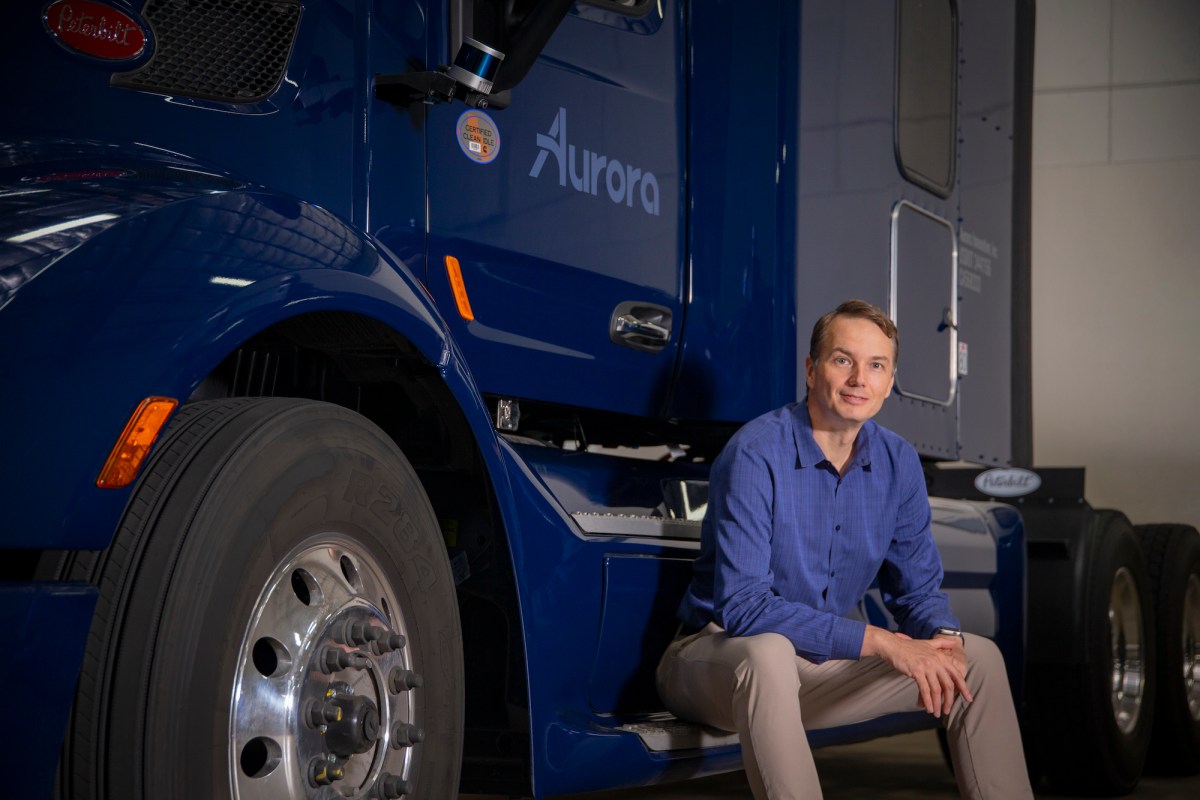
Aurora's autonomous trucking operation has moved from decades of "almost here" promises to actual commercial deployment. The company, founded by Chris Urmson, launched driverless freight operations last April between Dallas and Houston and plans to scale to hundreds of trucks this year.
The shift from research labs to revenue-generating routes marks a genuine inflection point for self-driving technology. Aurora isn't running limited pilots or closed-course demonstrations. It's operating on real highways, moving real cargo, and generating measurable business results.
Urmson co-founded Aurora after leading Google's self-driving car project and working at Uber's autonomous vehicle division. He watched autonomous vehicles repeatedly miss commercialization timelines. The difference now: the company narrowed its scope. Instead of chasing the harder problem of robotaxis in dense urban environments, Aurora focused on long-haul trucking. The use case is simpler. Trucks mostly drive on highways with predictable routes, fewer edge cases than city streets, and enormous economic incentives. A single long-haul driver costs $60,000 to $80,000 annually. Autonomous operation eliminates that expense.
The Dallas-Houston route was deliberately chosen. It's approximately 300 miles of relatively straightforward interstate driving. Urmson's team proved the system could operate safely and profitably on this corridor before expanding. The plan to scale to hundreds of trucks this year suggests the technology has cleared critical safety and operational hurdles.
Industry context matters here. The trucking industry faces severe driver shortages. The American Trucking Associations reports a shortage of over 80,000 drivers. Autonomous trucks solve a real problem with genuine market demand. Unlike robotaxis, which promise convenient door-to-door service that most passengers don't need urgently, self-driving trucks address an acute logistics bottleneck.
The remaining challenges are regulatory and operational rather than purely