# Research Roundup: Six Science Stories Worth Your Attention
Ars Technica compiled six recent research findings that flew under the radar. The stories span biology, physics, and animal behavior, each revealing something unexpected about how the natural world works.
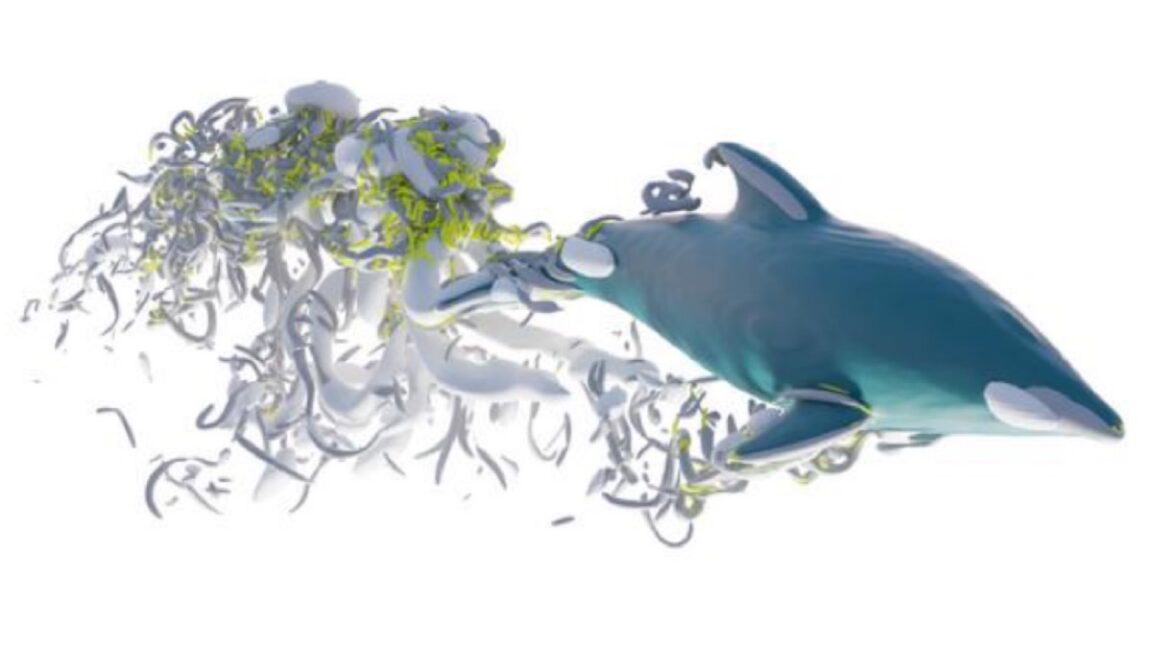
One study examined why dolphins achieve such remarkable speeds in water. Researchers discovered that dolphins use a combination of body undulation and flipper movement that creates optimal hydrodynamic efficiency. This finding has implications for biomimetic engineering, as engineers work to design underwater vehicles that mimic dolphin locomotion.
Another project explored fungal communication networks. Scientists found that mushrooms use compounds in urine to signal to each other through soil networks, coordinating growth and nutrient distribution. This challenges previous assumptions about fungal communication mechanisms and suggests plants and fungi engage in more sophisticated chemical signaling than previously understood.
The research also covered material science experiments involving aluminum cans. Crushing soda cans under controlled conditions revealed new insights into how materials fail under compression, with applications for designing stronger packaging and predicting structural failures in engineering contexts.
Additional stories examined topics ranging from insect biomechanics to microbial resistance mechanisms, each providing practical knowledge for fields like medicine, materials science, and environmental science.
The roundup highlights a recurring theme in modern research: breakthrough findings often emerge from unconventional angles. By examining everyday objects and animal behavior through rigorous scientific methodology, researchers uncover principles applicable to real-world problems. These discoveries rarely generate headlines, yet they form the foundation for technological advances and deeper understanding of biological systems.
Stories like these demonstrate that significant science doesn't require flashy announcements or massive budgets. Patient observation and creative experimental design produce results that reshape fields and inspire new research directions.
WHY IT MATTERS: These under-the-radar discoveries reveal how incremental scientific progress drives innovation in engineering, medicine, and materials science, often without public fanfare