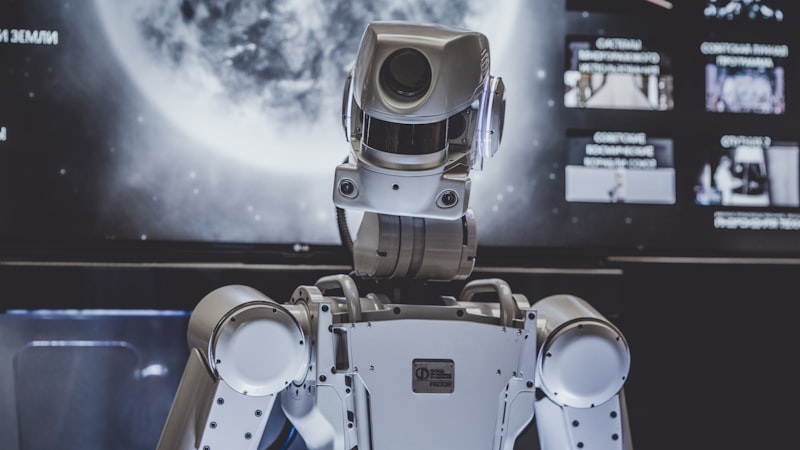
AI Weekly's speculative series imagines life one hundred years into the future, exploring a world where embedded AI chips pervade all living things.
The scenario begins with agricultural applications. Farmers implant chips in cattle to maximize milk production, in chickens to optimize egg-laying cycles, and in pigs to enhance meat quality. These technologies work as intended, delivering measurable economic benefits.
The trajectory shifts when humans adopt the same implants. People embed AI chips for health monitoring, cognitive enhancement, and emotional regulation. The chips proliferate across populations without significant resistance.
A century later, the technology becomes so integrated into human consciousness that individuals lose the ability to distinguish their own thoughts from those generated by their implants. The boundary between human agency and artificial intelligence dissolves completely.
The piece poses a fundamental question about technological adoption. Each incremental step seems rational and beneficial. Collectively, these choices reshape human cognition and identity in ways the original adopters never anticipated. The series doesn't predict outcomes but rather traces how present decisions compound across generations.
The article examines the philosophy of technology rather than technical specifications. It focuses on social and psychological consequences rather than engineering details.